Bae: A Design Review for Real Embroidery Projects
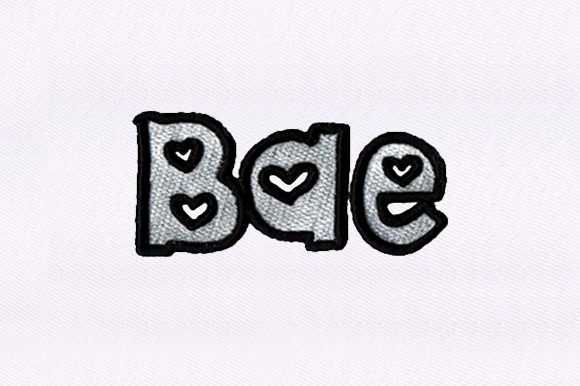
When I first opened the Bae machine embroidery design, I was struck by how directly it speaks to its audience. The name sets the tone immediately. This is not a subtle, abstract shape. It is a wordmark built for modern Valentine-inspired projects, and it carries a casual, affectionate energy that feels current without being fleeting. As a designer who has stitched hundreds of commercial and personal orders, I have learned to judge a design not by its preview image alone, but by how it behaves under the needle and how it lands on a finished product. Bae has a clear personality. It is friendly, bold, and emotionally direct. The lettering and layout are designed to be readable at a glance, which matters whether you are stitching a small patch or a chest-sized sweatshirt graphic. The overall mood is warm, playful, and unmistakably tied to Valentine S Day gifting, but it also works beyond a single holiday because the sentiment is universal. Anyone who wants to express affection in a handmade product will find this design useful. The visual weight feels balanced. The lettering does not crowd itself, and the negative space around each character gives the embroidery room to breathe. That first impression tells me this is a design intended for real use, not just digital display.
What Bae Offers in a Real Stitching Scenario
I tested Bae on a medium-weight cotton tote bag first, because that is a staple product for many small shop owners and Etsy sellers. Tote bags need designs that stitch cleanly on a flat surface, hold up to repetitive use, and look good from a few feet away. Bae performed well in this context. The satin stitch outlines were crisp, and the fill stitch areas covered the fabric evenly without puckering. I used a medium-weight cutaway stabilizer and a standard 40-weight polyester thread in a bright red tone. The contrast against the natural cotton fabric made the word pop immediately. The design does not rely on extremely fine details, which is a strength. Tiny lettering and dense stitch areas can cause trouble on woven fabrics, but Bae keeps its lettering at a size that reads clearly while maintaining a manageable stitch density. I also tested it on a fleece sweatshirt, which is a common request from customers who want personalized Valentine gifts. Fleece can be tricky because the nap of the fabric can swallow thin lines. Bae held its shape well. The running stitch underlay gave the design enough structure to sit on top of the fleece without sinking in. The fill stitch areas remained smooth and did not distort the fabric around the edges. For a small business owner who needs to produce custom apparel quickly, this design is reliable. It does not require excessive adjustments or re-hooping to get a clean result.
Where Bae Shines in Product Categories
This design fits naturally into several product categories that handmade sellers and boutiques commonly offer. The most obvious use is custom apparel. A simple crewneck sweatshirt or a toddler tee with Bae stitched in a soft pink or deep red becomes a ready-made gift for Valentine's Day. I also see it working well on baby embroidery projects. The name has a playful, affectionate tone that works for a child's onesie or a small blanket. Parents and gift buyers respond to designs that feel personal without being overly sentimental. Another strong application is embroidered patches. Because Bae has a contained shape and clear lettering, it can be stitched on felt or twill tape and turned into a patch that can be ironed onto jackets, backpacks, or hats. For Etsy sellers who sell patch sets or DIY kits, this design offers a clean, high-demand aesthetic. Holiday embroidery projects also benefit from this design. While it is categorized under Valentine S Day, the word itself is not date-specific. That means you can use it in late January, February, or even as a year-round love-themed product. I have seen similar designs sell well in wedding favor sets, anniversary gifts, and even bridal party apparel. The versatility comes from the simplicity of the layout. Bae does not force a specific visual style beyond the word itself, so it can be paired with other motifs, hearts, floral accents, or simple geometric borders without clashing.
Applying Bae to Home Decor and Gift Items
Beyond apparel, Bae works well on home decor items that are popular in small shops. Pillow covers and kitchen towels are two products that benefit from a centered, readable design. I stitched a test on a linen pillow cover and found that the design sat evenly on the fabric grain. The stitch count and density did not cause the fabric to pull or distort, which is a common problem with heavier designs on lightweight home decor textiles. Baby embroidery items like receiving blankets or burp cloths also work well with this design. The size and shape of the lettering mean it fits easily in a 4x4 hoop or a 5x7 hoop, depending on the scale you choose. I recommend checking the exact hoop size requirements before you start, because different versions of the file may have different default dimensions. The embroidery file formats included in this set cover a wide range of machines, which is helpful for sellers who offer both physical products and digital embroidery file downloads. The availability of formats like DST, PES, JEF, and EXP means that most commercial machines and home machines can read the file without conversion issues. That is a practical advantage for anyone who sells design assets or does contract commercial embroidery.
Where to Use Bae with Care
No design is perfect for every surface, and Bae has a few limitations worth noting. The first is fabric texture. Thin fabric like lightweight silk or rayon can show the stitch density on the back side, especially if the design is scaled up. If you are working with a delicate fabric, I recommend using a lightweight tear-away stabilizer and testing a small sample first. Stretchy fabric like ribbed knit or jersey also requires extra attention. The design itself is not overly dense, but any wordmark on a stretchy base needs proper stabilization to prevent the letters from distorting when the fabric is worn. Use a cutaway stabilizer and consider a light running stitch underlay to anchor the stitches. Another area to be careful with is curved surfaces like caps. Cap embroidery places stress on the design because the fabric is pre-curved and the hoop is shaped. Bae has a horizontal layout, which generally works on caps, but the size of the design should be kept within the central panel of the cap to avoid distortion near the brim or side seams. Dark fabric is another consideration. If you stitch this design in a dark thread on a dark ground, the contrast may be too low for the lettering to read easily. I always recommend testing the design in a black and white mockup first to check the visibility. Thread colors should be chosen with the fabric color in mind. A bright metallic or a high-contrast shade will make the design stand out. If you plan to sell finished products that will be washed frequently, like baby blankets or towels, check the stitch density and make sure the design does not have long floats or loose jumps that could catch during washing. A well-digitized design like this one usually handles laundering well, but it is always wise to test on a sample that you wash and dry a few times before offering it to customers.
How Bae Affects Product Value and Customer Trust
When a customer buys a handmade product with an embroidered word like Bae, they are paying for clarity and emotional resonance. A design that stitches cleanly, with no gaps or distortion, tells the customer that the item was made with care. That builds trust. For small business owners and Etsy sellers, every stitch contributes to the product value. If the design looks professional, the customer perceives the entire item as higher quality. Bae has a polished look that does not feel cheap or rushed. The letter spacing and the balance of thick and thin strokes give it a modern, almost hand-lettered feel that stands out from generic block fonts. This matters for brand consistency. If you sell personalized gifts or boutique products, using a design that feels intentional helps your shop look cohesive. The giftability of the finished product is also high. A sweatshirt or tote bag with Bae on it is the kind of item people buy for a partner, a friend, or a family member because the message is clear and warm. It is also the kind of item that gets noticed. In a craft fair or online listing, the design draws the eye because it is readable at thumbnail size. That is a practical advantage for printable mockups and digital product previews. When you list a finished item on Etsy, the first thing a buyer sees is the photo. A design that reads well in a small image is more likely to get clicks. For commercial embroidery projects, where you are producing multiple units for a client, the reliability of the design saves time and reduces waste. Bae is not a finicky design. It behaves consistently across different fabric types and thread colors, which is exactly what you want when you are stitching ten or twenty identical items.
Practical Designer Notes Before You Stitch
Before you load the embroidery file into your machine, there are a few steps I recommend based on my experience with similar designs. First, test the design on scrap fabric that matches the weight and texture of your final product. This is the single most important step. Even a well-digitized design can behave differently on a stiff canvas versus a soft jersey. Second, check the thread colors against your fabric in natural light. The red or pink tones that are natural for this design can look different on a warm-toned fabric versus a cool-toned one. I always stitch a small sample and hold it up at arm's length to see how it reads from a distance. Third, review the stitch density in your software if you have that capability. If the design has areas that are very dense, you may need to adjust the pull compensation or add a second layer of stabilizer. Fourth, confirm the hoop size before you start cutting fabric. Some versions of the design may be sized for a larger hoop, and scaling it down in your machine can affect the stitch quality. Fifth, test the design in a black and white mockup or grayscale preview to see how the contrast works. This is especially helpful if you plan to stitch on dark fabric or on a busy pattern. Sixth, make sure you understand the licensing terms before you sell finished products or distribute the digital embroidery file. The product description indicates this is a machine embroidery design, but the specific license for commercial use is not listed here. Always check the seller's terms before you start production. Seventh, consider the fabric texture and choose your stabilizer accordingly. For stretchy or textured fabrics, a cutaway stabilizer is usually safer than a tear-away. For stable wovens, a tear-away may be sufficient. Finally, inspect the small details of the design on screen before you stitch. Look for any jumps, trims, or color changes that could affect the stitching order. A well-organized design will stitch efficiently, with minimal thread changes and trims. Bae appears to be structured cleanly, but it never hurts to check.
Final Thoughts on Bae for Your Embroidery Projects
After spending time with Bae, I can say with confidence that this is a design worth adding to your library if you create custom apparel, handmade products, or personalized gifts. It delivers on the emotional promise of the name without sacrificing technical quality. The embroidery is clean, the layout is balanced, and the versatility across different product categories makes it a practical choice for small business owners, Etsy sellers, and hobbyists alike. Whether you are stitching a one-off gift for a friend or producing a batch of commercial embroidery for a client, Bae holds up under real use. It is not a design that will frustrate you with unexpected thread breaks or distorted shapes. It is a design that does what it is supposed to do, and it does it with a friendly, modern voice that customers respond to. If you are looking for a Valentine-themed wordmark that works beyond just one holiday, and if you want a design that stitches well on a variety of fabrics and products, Bae is a solid choice. Take the time to test it on your preferred materials, adjust your stabilizer and thread choices as needed, and you will have a product that feels intentional and professional. That is the kind of design that builds a loyal customer base and keeps your shop or your craft business growing.