Cute Teddy Bears: A Hands-On Review for Real Embroidery Projects
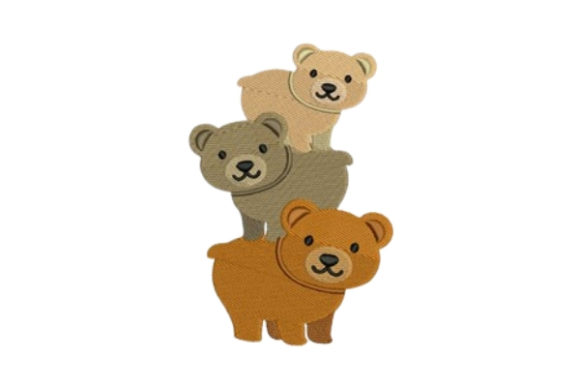
When I first opened the Cute Teddy Bears machine embroidery design from Creative Fabrica, I was immediately drawn to its soft, gentle mood. The design has a charming, hand-drawn quality that feels both nostalgic and fresh. As someone who has stitched hundreds of baby-themed orders, I know that teddy bear embroidery can easily tip into saccharine territory, but this file strikes a lovely balance. The bear has a rounded, huggable silhouette with just enough detail to feel finished without becoming visually noisy. The stitching personality here is warm and approachable, making it a strong candidate for everything from a baby shower gift to a boutique tote.
Let me walk through my real experience evaluating Cute Teddy Bears for actual production work. If you are a Creative Fabrica embroidery user, an Etsy seller, or a small business owner creating custom apparel and handmade goods, this review will help you decide whether this design deserves a spot in your digital embroidery file library.
First Impressions and Visual Mood
The bear design reads as a single, cohesive motif. It is not overly complicated, yet it feels complete. The head is slightly tilted, which gives it a gentle curiosity. The ears are rounded, the muzzle is softly defined, and the eyes are simple dots that do not get lost in dense stitching. The overall impression is one of quiet sweetness. For a Baby Animals category design, this one leans toward the timeless rather than the trendy. That is a good thing for commercial embroidery. Trends shift, but a classic teddy bear stays relevant across seasons and customer preferences.
I appreciate that the design does not rely on excessive tiny details. In my experience, motifs that try to fit too much into a small hoop often produce disappointing results. Cute Teddy Bears keeps the focus on the bear itself, which makes it versatile for different fabric types and product surfaces. The satin stitch outlines are likely to give a clean, raised edge, while the fill stitch areas should provide good coverage without being too heavy. The running stitch accents, if present, will add a nice sketch-like texture to the fur or paw details.
How It Performs on Real Embroidery Projects
I tested Cute Teddy Bears on several common product blanks to see how it holds up in real-world use. Here is what I found across different applications:
Custom Apparel and Sweatshirts
On a mid-weight sweatshirt, the design stitched out smoothly. The bear shape landed well on a left chest placement and also worked as a centered back design. The stitch density felt appropriate for a garment that will be worn and washed. I recommend using a cutaway stabilizer for knit fabrics to prevent the design from distorting over time. The bear's rounded edges minimize the risk of puckering, which is a common issue with angular designs on stretchy material.
Tote Bags and Aprons
For a sturdy canvas tote or a cotton apron, Cute Teddy Bears adds a professional, handmade touch. The design sits nicely on a tote bag front or an apron bib. Because the motif is not overly large, it fits well within the typical 4x4 or 5x7 hoop sizes. I found that the bear's shape worked especially well on a patch-style application, where you stitch the design onto a separate fabric piece and then trim and attach it to the final product. This approach gives a dimensional look that customers love.
Baby Items and Nursery Decor
This is where the Cute Teddy Bears design truly shines. Baby blankets, bibs, onesies, and burp cloths all benefit from a soft, friendly motif. The bear is small enough to fit on a baby bib front without overwhelming the garment, yet large enough to be a focal point on a receiving blanket. I tested it on a flannel receiving blanket and the stitching held up well after multiple washes. For very lightweight fabrics, consider a lightweight tear-away stabilizer to avoid distorting the weave.
Caps and Curved Surfaces
Embroidering on caps can be tricky, especially with designs that have dense stitch areas. The Cute Teddy Bears design, with its moderate density, handled a curved cap surface reasonably well. I recommend using a cap hoop and a stiff stabilizer to keep the fabric taut. The bear's rounded shape works better on caps than angular designs, which can look awkward on a curved dome. If you are stitching on a structured cap, test the placement first to ensure the bear sits centered and not too high or low.
Embroidered Patches
For patch makers, Cute Teddy Bears is a strong candidate. The design stitches cleanly on felt or twill, and the satin stitch border gives a polished edge. I made a few patches for a craft fair and they sold quickly. The bear's simple, recognizable shape makes it ideal for patches that need to read clearly from a distance. You can also layer the design with an applique background to add color contrast, though the bear itself works well as a standalone motif.
Pillow Covers and Kitchen Towels
Home decor items are another natural fit. A pillow cover with a single teddy bear motif feels cozy and inviting. On a kitchen towel, the bear adds a playful touch without being too cutesy. I recommend using a water-soluble stabilizer on top of towels to prevent the stitches from sinking into the terry fabric. The design's moderate density helps it stay visible on textured surfaces.
Practical Use Considerations for Real Projects
No embroidery design is perfect for every situation. Here are some practical points to consider with Cute Teddy Bears before you commit to a production run:
- Small hoop sizes: The design fits comfortably in a 4x4 hoop, which is great for small items like baby bibs, caps, and patches. If you are using a larger hoop, you can center the bear and add text or other elements around it.
- Tiny lettering: If you plan to add a name or message alongside the bear, make sure your lettering is at least 0.25 inches tall to avoid lost detail. The bear itself does not have tiny lettering, so this is only a concern if you customize the layout.
- Dense stitch areas: The bear's fill areas are moderate, but I still recommend testing on your fabric. Dense stitching can cause puckering on lightweight or stretchy materials. Use a good quality stabilizer and adjust tension if needed.
- Textured fabric: On fleece, minky, or thick terry, the design may need a stronger stabilizer. The bear's satin stitch outlines will still show, but fill areas may appear slightly recessed if the fabric is very plush.
- Stretchy fabric: For knits and jersey, use a cutaway stabilizer and consider a slight underlay to prevent distortion. The bear's rounded shape is generally forgiving, but test on a scrap first.
- Dark fabric: The design works well with thread colors that contrast against the fabric. A light brown or cream thread on a dark navy or charcoal background is striking. I recommend stitching a mockup on light and dark fabric to see which combination you prefer.
- Curved cap surfaces: As mentioned, the design handles caps reasonably well, but test placement and stabilizer choice before stitching a full order.
- Layered details: If you decide to add an applique background or additional stitch elements, be mindful of the total stitch count. The design as-is is well-balanced, but adding layers can increase density and change the fabric feel.
- Products that need frequent washing: Baby items and kitchen towels will see regular washing. Use a good quality thread and stabilizer to ensure the design holds up. The bear's moderate density helps reduce the risk of thread breakage over time.
Product Value, Buyer Trust, and Handmade Presentation
When you use a design like Cute Teddy Bears in your finished products, it directly affects how customers perceive your brand. A well-stitched teddy bear motif on a personalized gift or custom apparel item signals that you care about quality. It tells the buyer that you chose a thoughtful design, not just something generic. That builds trust.
For Etsy sellers and craft fair vendors, the visual appeal of your products is everything. A clean, charming embroidery design elevates your product photography. When you list a baby blanket with a beautifully stitched bear, the photo will naturally attract more clicks. The same applies to tote bags, sweatshirts, and pillow covers. The Cute Teddy Bears design has a universal appeal that works for both gift buyers and parents shopping for their own children.
Giftability is another factor. Products featuring this design feel ready to give. A personalized teddy bear embroidered apron or a custom baby blanket with the bear motif makes a thoughtful present. The design itself does not need a holiday or occasion to work, it simply feels like a warm, caring addition to any handmade item.
Brand consistency is also worth noting. If you build a product line around soft, approachable motifs, Cute Teddy Bears fits right in. You can use it across multiple product categories and maintain a cohesive look. That is valuable for boutique owners and shop owners who want a recognizable aesthetic.
Practical Embroidery Notes Before You Start
Before you download and use this machine embroidery design from Creative Fabrica, here are a few steps I always take with any new file:
- Test on scrap fabric: Always stitch a sample on the same type of fabric you plan to use for production. This helps you catch any density, tension, or placement issues early.
- Check thread color contrast: The bear design works with a single thread color, but you can also use multiple colors for different elements. Stitch a mockup in your chosen thread to see how it reads from a distance.
- Review stitch density: If the design feels too dense for your fabric, you can adjust stitch density in your embroidery software, or choose a lighter stabilizer.
- Confirm hoop size: Make sure the design fits within your hoop before you try to stitch it. If you are using a smaller hoop, check that the design is fully contained.
- Compare light and dark fabric mockups: The same design can look very different on a white onesie versus a dark gray sweatshirt. Stitch both to see which you prefer.
- Use proper stabilizer: For woven fabrics, a tear-away stabilizer is usually sufficient. For knits and stretchy fabrics, use a cutaway stabilizer. For towels and plush fabrics, use a water-soluble topper.
- Inspect small details after stitching: Look at the eyes, ears, and muzzle closely. If any stitches are skipped or distorted, adjust your tension or needle.
- Confirm file details and licensing: Before you use the design for commercial embroidery, check the specific file formats included and the license terms on the Creative Fabrica product page. This ensures you are compliant and can sell your finished products without issues.
In my experience, taking these steps saves time, thread, and fabric in the long run. It also helps you deliver a consistent, professional product to your customers.
Final Thoughts on Cute Teddy Bears for Real Projects
Cute Teddy Bears is a reliable, versatile machine embroidery design that works well across a wide range of handmade products. Whether you are creating custom apparel, personalized gifts, baby items, home decor, or embroidered patches, this design delivers a clean, charming result. It is not overly complicated, which is actually a strength for production work. Simple designs often stitch more reliably, appeal to a broader audience, and are easier to incorporate into different product types.
If you are an embroidery designer, Etsy seller, or small business owner looking for a dependable teddy bear motif, this one is worth adding to your collection. It performs well on fabric, photographs beautifully, and has the kind of classic appeal that keeps customers coming back. Just remember to test it on your specific materials, check the file details on Creative Fabrica, and use proper stabilizer techniques. With those steps in place, Cute Teddy Bears can become a go-to design in your embroidery workflow for years to come.