Donkey Embroidery Design Review for Craft Fair Success
When I first opened the Donkey machine embroidery design file, I knew immediately this was a design that could carry a whole booth. As someone who has tested hundreds of designs for weekend craft fairs, holiday markets, and Etsy shops, I have learned to spot a winner within seconds. This cute little donkey has the kind of charm that stops shoppers mid-stride. It is not overly complex, not too cartoonish, and not so realistic that it feels out of place on a handmade tote bag or apron. It lands right in that sweet spot where farmhouse style meets modern handmade appeal. If you are preparing for a craft fair or building your embroidery business, let me walk you through exactly what this design can do for your product lineup and where you need to be careful before you start stitching.
First Impressions: The Mood of Donkey
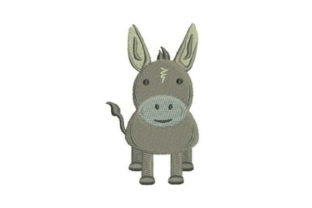
This design feels cute, rustic, and approachable. It is not a joke design, but it carries a gentle warmth that makes people smile. The donkey has a soft, friendly expression that reads well at a glance. From across a booth table, a customer will see the silhouette first and then lean in to appreciate the details. That is exactly the kind of visual hook you want at a craft fair. The design does not scream for attention, it invites it. For handmade markets, that quiet confidence often sells better than loud, busy embroidery. The donkey feels equally at home on a kitchen towel as it does on a child's pouch or a farmhouse-style decorative pillow. Its mood fits the Horses category while offering something a little different, a gentle cousin to the more dramatic equine designs.
Tote Bags and Market Bags
This is where the donkey truly shines. A tote bag design needs to be recognizable from a few feet away, and this donkey delivers. I would recommend hooping it at a medium size, roughly four to five inches tall, so the face and ears have enough presence. The stitch density appears moderate, which means the design will hold up well on canvas or cotton tote bags without distorting the fabric. If you are stitching multiple totes for a craft fair, this design is repeatable and consistent. The thread colors are likely limited, which keeps production fast and thread changes minimal. That matters when you are stitching ten totes the night before a market.
Apron Embroidery
An apron embroidery project with this donkey feels natural for farmhouse and kitchen-themed booths. The design works well on the chest pocket area or centered on the bib. I would test it on a sample apron first to check how the stitch density interacts with the fabric type. Cotton twill aprons are forgiving, but if you are using a thicker apron with a textured surface, you may need a heavier stabilizer. The donkey's simple shape means it will not fight the fabric grain, which is a common problem with overly detailed designs on aprons.
Tea Towel Embroidery
For tea towel embroidery, this design is a natural fit. Tea towels are a staple at craft fairs because they are affordable, giftable, and easy to display. The donkey works as a small accent near the hem or as a larger focal piece in the center. I would lean toward a smaller size, around two to three inches, so the design feels like a decorative detail rather than the entire towel. Customers love buying sets of embroidered tea towels, and this design is charming enough to repeat across a whole collection. Just be careful with dense stitching on linen or cotton towels, the fabric can pucker if the design is too heavy. A tear-away stabilizer topped with a layer of water-soluble film will keep the stitches crisp.
Embroidered Patches
If you sell embroidered patch products, the donkey is a strong candidate. Patches need designs that read clearly at small sizes, and this donkey's bold outline and simple interior details will translate well. I would recommend stitching a test patch on felt or twill to see how the edge finish holds up. Patches are excellent booth items because they require minimal production time and have a high perceived value. You can sell them individually or bundle them with a tote bag or apron as an add-on. The donkey patch could also become a popular item for kids, who often gravitate toward animal designs at handmade markets.
Caps and Hats
Hooping a cap is always a challenge, but this donkey is forgiving enough to work on a curved surface. I would keep the design small, no larger than two and a half inches wide, and place it on the front panel or the side. The key is to avoid dense stitch areas that could cause the cap to pucker. Test the design on a scrap cap first, especially if you are using a structured baseball cap. The donkey's face should remain clear and readable even after the curve of the cap distorts the shape slightly. A small shop product like an embroidered cap with a donkey can be a conversation starter at your booth.
Fabric Pouches and Small Gift Items
Small zippered pouches, makeup bags, and giftable handmade items are perfect for this design. The donkey works well as a central motif on a pouch, and because the design is not overly large, it fits comfortably on smaller hoops. If you are making pouches for a craft fair, consider using a contrasting thread color to make the donkey pop against the fabric. A dark brown or gray donkey on a cream or soft blue pouch will attract attention. These small items are easy to display in a basket or on a tiered shelf, and they encourage impulse purchases.
Pillow Covers and Home Decor
For a finished product like a throw pillow cover, the donkey adds a farmhouse accent that many customers are looking for. I would use a medium hoop size, around five inches, and center the design on a natural linen or cotton cover. The design's rustic feel complements neutral fabrics and earthy tones. If you are selling at a holiday market, a donkey pillow cover can be positioned as a cozy, whimsical piece for a child's room or a farmhouse-themed living room. The stitch density should be appropriate for a decorative pillow, which typically does not undergo heavy washing, so you can use a standard cut-away stabilizer.
Practical Selling Points for Craft Fair Sellers
From a booth perspective, the donkey design has several advantages. First, it is easy to understand at a glance. A customer walking past your table will see the donkey and immediately know what it is. That instant recognition is crucial for stopping traffic. Second, the design is versatile enough to appear on multiple product types, which allows you to build a cohesive booth display. You can group a tote bag, apron, tea towel, and patch all featuring the same donkey, creating a collection that feels curated and intentional. That consistency encourages customers to buy multiple items.
For Etsy seller listings, this design photographs well because it is not overly detailed and does not rely on subtle shading. The clean lines and limited thread colors translate well to product photos. I recommend stitching a real sample and photographing it in natural light rather than relying solely on a printable mockup. A real photo of the donkey on a tote bag or apron will always outsell a digital render. Customers want to see how the embroidery actually looks on fabric, and this design delivers a clean, professional appearance that builds trust.
The design also feels repeatable for batch production. Because the stitch count is likely moderate and the thread colors are few, you can stitch multiple units in a single session without constant thread changes or re-hooping adjustments. That efficiency is critical when you are preparing for a weekend craft fair and need to produce twenty totes, fifteen tea towels, and ten pouches. The donkey design will not slow you down.
Production Notes and Careful Use Considerations
Before you start production, I want to share some practical observations based on similar designs. Dense stitch areas can be a problem if the design has heavy fill regions. I recommend testing the donkey on a scrap piece of the exact fabric you plan to use. Check for any areas where stitches pile up, especially around the ears, muzzle, and legs. If the design has small details like eyes or nostrils, make sure those are not too tiny to read at your intended hoop size. Tiny details that look fine on a computer screen can become muddled when stitched on textured fabric or thick towels.
Speaking of textured towels, if you plan to embroider the donkey on a tea towel with a looped weave or terry cloth, you will need a water-soluble stabilizer on top to keep the stitches from sinking into the fabric. That extra step is worth the time because the result will be much cleaner. On dark fabric, be sure to choose thread colors that provide enough contrast. A light gray or white donkey on a dark navy or black background will stand out beautifully, but a dark brown donkey on a dark fabric will disappear. Always test your thread contrast before stitching a batch.
If you plan to use the design at a smaller size, say under two inches, check that the donkey's facial features remain clear. Some designs lose their charm when scaled down because tiny details become too small to stitch accurately. The donkey's simple shape should scale reasonably well, but it is always better to test first. I recommend hooping a test on scrap fabric at your intended size and examining the result under good lighting. If the design looks muddy or the details are hard to distinguish, increase the size slightly.
For curved cap surfaces, the donkey's design should be positioned carefully to avoid distortion. I recommend using a cap hoop and a tacky stabilizer to keep the fabric from shifting. If the design has any elongated elements, those may stretch when hooped on a curve, so test one cap before committing to a batch. The same caution applies to thick fabric like heavy canvas or denim. You may need a heavier stabilizer or a larger needle to accommodate the stitch density. Do not skip the test stitch, it will save you from wasting materials.
Embroidery Designer's Practical Checklist
Before you turn this digital embroidery file into a finished product for your craft fair booth, here is my standard checklist. Test the design on scrap fabric using the exact stabilizer you plan to use for production. Check thread contrast by stitching a small sample on each fabric color you intend to sell. Review the spacing between design elements to ensure the donkey is not too close to the hoop edge or product seam. Confirm your hoop size is appropriate for the intended placement. If the design is larger than your hoop, you may need to resize or reposition it. Inspect the stitch density to make sure the fabric is not being overworked, especially on lightweight materials. Use the right stabilizer for the fabric type, cut-away for knits and stretch fabrics, tear-away for wovens, and water-soluble for loops and terry. Create at least one real mockup on the actual product you plan to sell, not just a digital preview. Compare fabric colors against thread colors to ensure the donkey reads clearly. And finally, confirm that your commercial embroidery license allows you to sell finished products made from this design. If you are an Etsy seller or a small shop product maker, this step is essential. Do not assume the license is included, check the file description or contact the designer.
Visual Appeal, Customer Attention, and Booth Display
The donkey design has a natural ability to draw customers into your booth. When displayed on a tote bag or apron, it creates a focal point that invites conversation. I have found that animal-themed embroidery often leads to stories, customers share memories of farm visits, childhood pets, or country living. That emotional connection can turn a casual browser into a buyer. The design's handmade quality is evident in the stitching, and because it is not overly complex, the embroidery looks crisp and professional. That builds trust in your brand and signals that you care about the details.
For brand consistency, the donkey can become a signature motif if you offer multiple products featuring the same design. A booth with a cohesive look, where the same artwork appears on different items, feels more established and curated. Customers are more likely to buy a tote bag and a tea towel set if they see the design repeated. The donkey's rustic charm also pairs well with other farmhouse-style designs, so you can mix and match within your booth without losing visual harmony.
In terms of buyer engagement, the donkey is a strong conversation starter. I would recommend placing it on a prominent product at eye level, such as a tote bag hanging from a hook or an apron displayed on a mannequin. When customers stop to look, be ready to talk about the design, the stitching process, and the fabric choices. That personal interaction is the heart of a craft fair, and the donkey gives you an easy entry point. It is not a polarizing design, it appeals to a wide range of ages and tastes, from parents shopping for a child's gift to home decor enthusiasts looking for a farmhouse accent.
For online listings on Etsy or your own shop, the donkey photographs well in natural light. I recommend taking a close-up shot of the embroidery on the finished product, as well as a lifestyle shot showing the item in use, like a tote bag over a shoulder or a tea towel on a kitchen hook. The design's simplicity means it will not look cluttered in photos, and the limited thread colors keep the image clean and focused. If you use design assets like printable mockups, make sure they match the actual stitch appearance. Nothing erodes customer trust faster than a mockup that looks different from the real product.
In conclusion, the Donkey machine embroidery design is a solid choice for any craft fair seller, embroidery business owner, or handmade shop looking to add a charming, versatile, and production-friendly motif to their lineup. It performs well on a wide range of products, from tote bags and aprons to tea towels and patches. Its visual appeal is warm and inviting, and its practical stitching characteristics make it suitable for batch production. Test it on your chosen fabric, confirm your hoop size and stabilizer, and then stitch with confidence. This little donkey has the potential to become a favorite in your booth and a reliable seller for seasons to come.