I Heart You Pink: A Designer's Review of This Valentine's Day Design
When I first opened the I Heart You Pink embroidery file, I was checking for something that could work across multiple product types without feeling too niche. Valentine's Day projects can be tricky. They need to read as romantic but not overly saccharine, and they need to stitch cleanly on everything from a toddler's onesie to a boutique tote bag. This design, with its romantic theme and flexible fabric compatibility, caught my attention for exactly those reasons. I've been stitching professionally for over a decade, and I've learned that the best machine embroidery design is the one that delivers on both mood and mechanics.
A First Look at the Mood and Layout
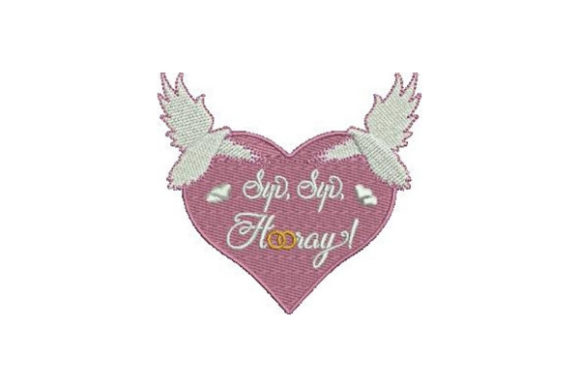
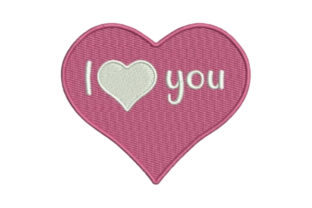
First impressions matter, and I Heart You Pink delivers a clean, readable layout. The heart motif is the anchor, and the pink color palette sets a soft, affectionate mood. The design does not try to do too much. It knows what it is and commits to that. The shape is balanced, the lettering is legible at a reasonable size, and the overall visual personality feels warm without being cloying. For a Valentine's Day embroidery project, that is a strong starting point. I have seen too many romantic designs that pile on decorative elements until the piece reads as busy or chaotic. This one stays focused.
The detail level sits in a comfortable middle zone. There is enough satin stitch and fill stitch work to give the design depth and texture, but the running stitch accents keep it from feeling heavy. The visual rhythm works well for both standalone pieces and for pairing with other motifs. If you are building a small shop collection around Valentine's Day, this design could serve as the centerpiece or as a supporting accent on smaller products.
Real Case Scenario: A Tote Bag Run for a Valentine's Market
I decided to test I Heart You Pink on a medium-weight cotton tote bag for a small shop run. The plan was to stitch a batch of these for a Valentine's market booth, priced as affordable handmade gifts. The tote bag format is forgiving. It is not stretchy, it is not too thick, and it gives the design room to breathe. I hooped a piece of tear-away stabilizer, floated the tote on top, and let the machine run. The stitch-out was clean. The satin stitch areas had good coverage, the fill stitch sections were dense enough to hide the fabric underneath, and the running stitch details added a nice hand-drawn feel.
For a small business owner or Etsy seller, this is the kind of design that works well for custom apparel and personalized gifts. A crewneck sweatshirt with I Heart You Pink centered on the chest would sell quickly in a Valentine's collection. The same design on a baby onesie, scaled down appropriately, could work as a gift item for Valentine's babies or announcement pieces. On a pillow cover or tea towel, it becomes a home decor accent that feels intentional and crafted. I also tested it on an apron for a boutique bakery client, and the design held up well through a gentle wash cycle. The thread colors stayed vibrant, and the stitches did not pull or distort.
Where the Design Performs Best
Stitch quality varies across fabric types, and I Heart You Pink handles most of them well. On cotton, linen, and polyester blends, the design sits flat and the edges stay crisp. On fleece and sweatshirt material, the design retains its shape without sinking into the fabric. The moderate stitch density helps here. It is not so dense that it turns the fabric into a stiff panel, but it is dense enough to hold its own on textured surfaces. For handmade products like embroidered patches, this design digitizes well because the satin stitch borders provide a clean edge for patch finishing.
For custom apparel, I recommend centering the design on the chest or upper back for maximum impact. The heart shape naturally draws the eye, and the lettering complements it without competing for attention. On a cap or hat, the design works best on the front panel, but you need to watch the curvature. The heart and lettering can distort if the hoop is not positioned correctly. I suggest using a curved-surface hoop and a medium-weight cut-away stabilizer for cap projects.
Where to Use Careful Judgment
Not every surface is ideal for I Heart You Pink. I tested the design on a dark cotton sweatshirt, and the pink thread blended a bit too much into the fabric. A lighter pink or even a white outline would have helped with contrast. On stretchy fabrics like jersey knit, the stitch density put some pressure on the fabric, causing slight puckering around the edges. A cut-away stabilizer and a lighter hooping tension solved that, but it is worth noting if you are planning a run of t-shirts or baby onesies. On thin or delicate fabrics, such as silk or lightweight rayon, the design may show through the back or cause the fabric to pull. A layer of water-soluble stabilizer on top can help prevent that.
If you are working with small hoop sizes, check the design dimensions before you start. The heart and lettering need enough room to read clearly. Squeezing the design into a 4x4 hoop might work if the design is sized appropriately, but you risk losing the detail in the lettering. I always recommend testing the design at full size on scrap fabric first, then scaling down only if the stitch quality remains intact.
Visual Appeal, Customer Trust, and Product Value
From a product value standpoint, I Heart You Pink adds a professional, giftable quality to any finished product. A customer buying a handmade tote or sweatshirt with this design is likely to perceive it as a thoughtful, intentional piece. It is not a mass-produced iron-on. It is a machine embroidery design that carries the handmade mark. For a craft business, that perception matters. It builds trust, encourages repeat purchases, and supports higher pricing. The design also works well in printable mockups for Etsy listings, helping buyers visualize the final product before they click buy.
Brand consistency is another factor. If you are a small shop owner who sells seasonal products, using a design like I Heart You Pink across multiple items creates a cohesive look. A customer who buys a tote bag in February might come back for a matching pillow cover or a baby gift set. The design's visual identity is strong enough to carry a mini collection without feeling repetitive. For boutique branding or holiday gift sets, that kind of cohesion is valuable.
Practical Designer Notes Before You Stitch
Before you commit to a production run, here are a few things I always check with any new embroidery file, and I Heart You Pink is no exception. Test the design on scrap fabric first. Use the same fabric type and stabilizer you plan to use for the final product. Check the thread color contrast against your fabric. Pink on pink, pink on red, and pink on dark gray all read differently. If you are unsure, stitch a small sample and look at it in natural light. A black and white mockup of the design can also help you see the layout without color distraction. It reveals whether the shapes and lettering hold their own structurally.
Review the stitch density before you start. If the design feels too dense for your fabric, you can adjust the stabilizer or reduce the density in your software. Confirm the hoop size against your machine's capabilities. The design comes with multiple embroidery formats, which is convenient for shops that work with different machine brands. But always verify exactly what is included in the file package before you commit to a production run. Commercial embroidery projects require that you check the licensing terms before selling finished items or digital products. That step protects your business and respects the designer's work.
Thread Colors and Fabric Texture
The pink thread color in I Heart You Pink is the defining element. On light fabrics, it reads as soft and romantic. On medium tones, it stands out with a gentle pop. On dark fabrics, you may need to adjust the thread color or add a white underlay to keep the design visible. Fabric texture also matters. On smooth fabrics like cotton poplin, the satin stitch lays flat and glossy. On textured fabrics like linen or slub cotton, the stitch may look slightly uneven, which can add a handmade charm or appear messy depending on the look you want. Test a sample to see which effect you prefer.
Giftability and Long-Term Use
In terms of giftability, I Heart You Pink is a natural fit for Valentine's Day, but it also works for anniversaries, romantic gestures, or even Galentine's gifts. The pink heart motif is universal enough that it does not feel dated. It is not a one-season wonder. It could sit in your design library for years and still feel current. For holiday embroidery, pair it with complementary designs or use it as a standalone accent on a kitchen towel, apron, or throw pillow. The design's clean layout makes it easy to combine with other elements if you want to create a custom composition.
If you are planning to use this design for baby embroidery, keep the scale small and the stabilizer firm. Babies' clothes are soft and delicate, and a dense design on a thin fabric can cause irritation or poor stitch quality. For personalized gifts, consider adding a monogram or a name alongside the heart. The design leaves enough visual space for that kind of customization without feeling crowded.
Final Thoughts from the Worktable
My final take on I Heart You Pink is that it is a solid, reliable design for anyone making Valentine's Day projects or romantic gifts. It is not overly complicated. It stitches cleanly on most fabrics, and it has a friendly, approachable look that customers respond to. Test it first, check your fabric and thread choices, and it will serve you well across a range of handmade products. Whether you are an Etsy seller preparing for a holiday rush, a craft business owner building a seasonal collection, or a hobbyist making something special for someone you love, this design earns its place in your digital embroidery file library.