Letter R Ladybugs Geometric Cross Stitch Review
As someone who has spent years stitching and selling at weekend craft fairs, I know the difference between a design that sits on the table and one that walks out the door. When I first looked at Letter R Ladybugs Geometric Cross Stitch, I immediately saw its potential for handmade market booths. The combination of a bold letterform, playful ladybugs, and clean geometric lines feels fresh without being gimmicky. It’s the kind of design that makes customers stop, smile, and ask, “Can you put that on a tote bag?”
Let me walk through what I look for when I consider adding a new cross stitch pattern to my production lineup for craft fairs and online sales. I’ll cover how this design performs on different products, what to watch out for in production, and why it deserves a spot in your booth.
First Impressions: Bold, Cute, and Surprisingly Versatile
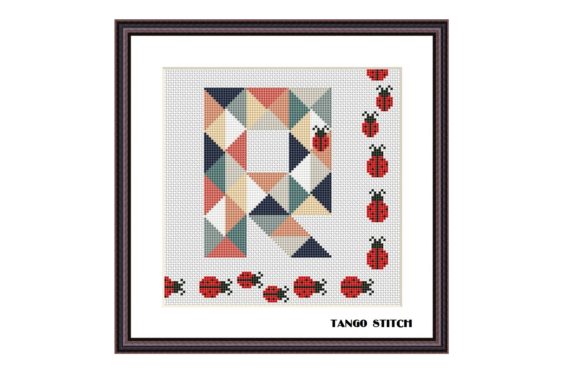
The title “Letter R Ladybugs Geometric Cross Stitch” tells you a lot. The letter R is a strong, recognizable shape, and the ladybugs add a friendly, whimsical touch. The geometric aspect keeps it from feeling too childish—it lands somewhere between modern farmhouse and playful minimalism. For a craft fair product, that’s a sweet spot. It appeals to parents looking for a personalized gift, to nature lovers, and to anyone who appreciates a clean, graphic look.
What I like most is that the design uses only full stitches. That means no fractional stitches, no backstitch outlines, and no complicated counting. For a machine embroidery design or hand-stitched project, this simplicity speeds up production and reduces errors. Beginners can tackle it, and experienced stitchers can batch-produce multiple pieces without burnout. That’s gold for a handmade product line.
Best Product Applications for Your Booth
When I evaluate a cross stitch pattern for a craft fair, I think about surface area, fabric texture, and how the design will be seen from a few feet away. Here’s where Letter R Ladybugs Geometric Cross Stitch shines on different items:
Tote Bags and Market Bags
A tote bag is a staple for any embroidery business. The bold letter R works as a monogram, so it feels personal. The ladybugs read clearly even at a distance. I’d stitch this on a natural cotton tote or a linen blend. The geometric lines keep the stitching tidy, and the stitch density is low enough that the bag doesn’t pucker. This is a fast seller—customers love a reusable bag that doubles as a conversation starter.
Apron Embroidery
Kitchen aprons are another high-margin item. The design fits nicely on the bib or the lower pocket. The ladybugs add a cheerful touch for gardening or cooking aprons. I’d use a medium-weight cotton apron and a medium hoop size—no need to struggle with thick seams. The full-stitch design means no wobbling when you’re stitching over a pocket edge.
Tea Towel Embroidery
Tea towels are a classic for a reason. They’re affordable, giftable, and easy to produce in batches. The Letter R Ladybugs Geometric Cross Stitch looks great on a linen or cotton towel. The geometric element keeps it from feeling too twee—it’s cute but not saccharine. I’d use a lighter thread color on a dark towel or a bright red on natural linen. The design is small enough to leave room for a folded display, which is critical for booth presentation.
Embroidered Patches
Patches are a low-risk, high-volume product. This design would make a lovely patch for a cap, a jacket, or a backpack. The full stitches create a solid, dense surface that patches well. I’d recommend using a sturdy stabilizer and trimming the patch close to the design. The ladybugs’ spots and the letter R’s vertical lines will hold their shape even after repeated washing.
Caps and Pouches
For caps, the design works best on a flat-front or low-profile cap. The letter R is wide enough to fill the space without distortion. On a curved surface, keep the hoop size tight and use a cap frame. Small pouches—like coin purses or glasses cases—are also a natural fit. The geometric style matches the structured shape of a pouch.
Pillow Covers and Home Decor
This is where the design really becomes a statement piece. A throw pillow with the letter R and ladybugs makes a great gift for a child’s room or a reading nook. The geometric lines add a modern touch. I’d use a medium-weight cotton or linen blend. The design is simple enough to stitch multiple pillows for a booth display, creating a coordinated look.
Practical Selling and Production Points
Now let’s talk about what makes this design practical for a small shop product line. I’ve learned the hard way that a beautiful design can flop if it’s not production-friendly. Here’s my assessment:
- Easy to understand at a glance: The letter R and ladybugs are instantly recognizable. Customers don’t need to squint or ask what it is. That’s a huge advantage in a crowded booth.
- Works as a small accent or large focal: At 2–3 inches, it’s a charming accent on a towel or pouch. At 4–6 inches, it becomes the main event on a tote or pillow. I love designs that scale well.
- Photographs beautifully for online listings: The clean lines and contrasting colors pop in photos. For an Etsy seller, this means better conversion rates. I’d shoot it on a neutral background with natural light—the ladybugs will catch the eye.
- Repeatable for batch production: Because it’s all full stitches, you can set up a rhythm. I’ve stitched ten of these in a row without losing my mind. That’s essential for a craft fair product where you need stock.
Careful-Use Notes: What to Watch For
No design is perfect for every surface. Here are the potential pitfalls I found with Letter R Ladybugs Geometric Cross Stitch:
- Dense stitch areas: The ladybugs’ bodies and the letter’s vertical strokes can create dense patches. On thick fabrics like denim or canvas, test your stitch density first. Too many stitches may cause puckering or thread breaks. Adjust with a larger needle or a lighter stabilizer.
- Tiny details: The ladybugs’ antennae or legs, if present, might be very small. For a machine embroidery design, small details can become lost in thick or textured fabrics. I’d recommend enlarging the design slightly for towels or pouches to keep those details visible.
- Small lettering: The letter R should be clear, but if it’s too small, the curves may blur. On a curved surface like a cap, the letter can distort. Always test on a scrap piece of the final fabric.
- Thick fabric: On a heavy canvas tote, the design may need a larger hoop and a floating technique. The geometric lines should still line up, but dense stitching on thick fabric can cause the fabric to pull. Use a cutaway stabilizer for stability.
- Textured towels: Terry cloth or waffle-weave towels can swallow small stitches. The ladybugs’ spots could disappear into the texture. I’d stitch a sample first, and if it works, consider using a water-soluble stabilizer on top.
- Dark fabric: The design uses full stitches, so dark fabric shouldn’t be a problem. But if the ladybugs are red and the letter R is a bright color, test thread contrast. A dark background may require a white or light underlay to make the colors pop.
- Loss of clarity at smaller sizes: If you shrink the design to fit a patch or a keychain, the geometric elements may become too close together. Keep the design at least 2 inches wide for the best clarity.
Visual Appeal, Customer Attention, and Booth Display
In a booth, you have seconds to grab a customer’s eye. Letter R Ladybugs Geometric Cross Stitch does that with its combination of a recognizable letter and cute insects. The geometric border adds a structured, modern frame that feels intentional. It doesn’t look like a generic monogram—it looks like a conversation piece.
I’d display this on a few different finished products at different price points. A tote bag at $25, a tea towel at $15, and a patch at $8. That creates a natural upsell. The design’s playful tone makes it easy to recommend as a gift for a child, a teacher, or a friend with a name starting with R. And because it’s a single letter, customers can imagine it as a personalized item—even if you don’t offer custom orders, the design implies that possibility.
For handmade product branding, this design builds consistency. If you stitch it in the same color palette across multiple items, your booth looks cohesive. The ladybugs become a signature element. That’s the kind of detail that makes a small shop product memorable.
Practical Embroidery Designer Notes
Before you start stitching dozens of these for a craft fair, here are the steps I always take:
- Test the design on scrap fabric. Use the exact fabric you’ll sell. Check for tension, thread breaks, and alignment.
- Check thread contrast. The ladybugs need to stand out from the letter R. If both are similar colors, choose a contrasting thread for the bugs or the background.
- Review spacing. The geometric lines should be evenly spaced. If the design is too tight, consider enlarging it slightly.
- Confirm hoop size. For a machine embroidery design, you need to know the minimum hoop size. If the design is larger than your hoop, adjust the size or split the design.
- Inspect stitch density. High density can cause fabric puckering. Run a test stitch and check the back. If it’s too dense, reduce the stitch count or use a heavier stabilizer.
- Use the right stabilizer. For a tote bag, a medium-weight tearaway works. For a cap, use a cutaway. For a towel, use a water-soluble topper to prevent stitches from sinking.
- Create at least one real mockup. Photograph the finished product in natural light, on a plain background, and also styled in a lifestyle shot. This will be your best printable mockup for online listings.
- Compare fabric colors. The design will look different on white, natural, dark gray, or navy. Test a few options to see what sells best in your market.
- Confirm commercial licensing. Since this is a digital embroidery file or cross stitch pattern, check the license terms. If you’re selling finished products, you need a commercial license. The description says “suitable both for beg” (likely beginner), but it doesn’t specify license. Contact the seller if you’re unsure.
Final Verdict for the Craft Fair Seller
Letter R Ladybugs Geometric Cross Stitch is a winner for a weekend booth. It’s cute without being childish, geometric without being cold, and simple without being boring. It fits a range of products that sell well at markets: tote bags, tea towels, aprons, pillows, patches, and pouches. The full-stitch construction makes it fast to produce, and the visual appeal is strong enough to draw customers from across the aisle.
If you’re an Etsy seller or a creative entrepreneur looking to expand your line of Cross Stitch Patterns into real products, this design is a solid addition. It works as a standalone item or as part of a series (imagine a whole alphabet with ladybugs). The Graphics-style nature of the geometric frame means it will look great on digital mockups, printed marketing materials, and your booth signage.
I recommend adding it to your next production run. But don’t just take my word for it—thread up a needle, hoop a piece of linen, and stitch it yourself. That’s the only way to know if it sings in your hands. And when you see a customer pick up that tote bag with a smile, you’ll know it was worth the test.