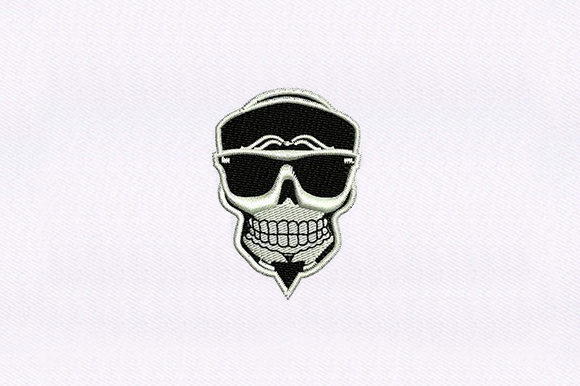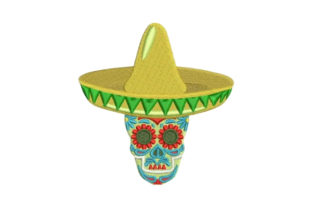
Sugar Skull Wearing a Sombrero
When I first opened the Sugar Skull Wearing a Sombrero machine embroidery design, I immediately recognized its potential for the craft fair and handmade market. As someone who has tested hundreds of embroidery files for booth sales, I know that a design needs to grab attention from across a crowded aisle. This one does exactly that. The combination of a traditional Mexican sugar skull with a sombrero strikes a balance between festive and folk art, with a touch of playful charm. It is not overly cutesy, nor is it too dark or macabre. It lands right in the sweet spot that appeals to customers looking for something with cultural flair, personality, and handmade authenticity.
For anyone selling at weekend craft fairs, on Etsy, or through boutique wholesale accounts, the Sugar Skull Wearing a Sombrero design offers a strong visual anchor. It feels bold, festive, and decorative, with enough detail to feel premium without becoming overwhelming. Let me walk through how this design performs in real production, what products it suits best, and what you need to check before you stitch your first batch.
First Impression: Festive, Bold, and Booth-Ready
The first thing I noticed about Sugar Skull Wearing a Sombrero is its immediate readability. From a few feet away, the silhouette of the sombrero and the skull shape are instantly recognizable. That is critical for craft fair products. Customers walking past a booth filled with embroidered tote bags, aprons, and tea towels need to register what they are seeing in a split second. This design delivers that. The sugar skull motif is widely understood as a symbol tied to Dia de los Muertos, but the sombrero adds a layer of festive, everyday appeal that works beyond just one holiday. It reads as Mexico-inspired decor, not exclusively Day of the Dead, which broadens your selling season.
The mood of the design is neither farmhouse nor elegant, nor minimal. It is lively, celebratory, and slightly whimsical. It would fit beautifully on a booth display with bright colors, textured fabrics, and a fiesta-like energy. If you pair it with warm oranges, deep purples, bright pinks, or turquoise thread colors, the design pops. If you stitch it in black or white on natural linen, it takes on a more subdued, folk-art look. That versatility is a real asset for a small shop product.
Where This Design Shines at a Craft Fair Booth
Imagine setting up your booth with a table draped in a colorful serape or a simple linen cloth. You have a row of tote bags hanging from a rack, a stack of tea towels folded neatly, a few aprons on display, and a basket of embroidered patches. The Sugar Skull Wearing a Sombrero design becomes a natural conversation starter. Customers who love Mexican culture, who have traveled to Mexico, or who simply appreciate bold folk art will stop to look. The design has a handmade, artisan feel that signals quality and care.
I recommend placing at least one finished product featuring this design at eye level. A tote bag or an apron draped over a mannequin or hung from a hook will draw people in. Once they are close, they will notice the stitch details, the thread colors, and the texture of the embroidery. That tactile quality is what sells handmade goods. This design benefits from being seen and touched.
Product-by-Product Performance Review
Not every product is the right home for every embroidery design. After working with Sugar Skull Wearing a Sombrero across several formats, here is my honest assessment of where it performs best.
Tote Bags and Market Bags
This is where the design truly shines. A tote bag gives you a large, flat canvas. The sugar skull and sombrero sit well in the center of a bag, and the design scale can be adjusted to fill the space nicely. On a natural cotton tote, the embroidery stands out with good contrast. I recommend using a sturdy cutaway stabilizer to keep the stitches crisp, especially if the tote is made of heavier canvas. This makes an excellent craft fair product because totes are impulse buys, and a striking design like this one moves inventory quickly.
Apron Embroidery
An apron with Sugar Skull Wearing a Sombrero stitched on the front bib or lower pocket area looks fantastic. It adds personality to a kitchen or barbecue accessory. Aprons are popular for gift-giving, and this design gives the apron a unique, handcrafted feel. Just be aware that aprons often have seams and pockets that can interfere with hooping. Plan your placement carefully. Use a medium-weight tearaway stabilizer, and test on a scrap apron first.
Tea Towel Embroidery
Tea towels are a staple for handmade sellers, and this design works well on them if you keep the size moderate. A towel is a narrow surface, so you want the design to fit within the width without crowding the edges. The Sugar Skull Wearing a Sombrero design, when scaled to about four to five inches wide, sits beautifully on a towel. Use a water-soluble stabilizer topper to prevent the stitches from sinking into the terry or linen texture. Tea towels with this design sell well as affordable, giftable handmade items.
Embroidered Patch
Patches are a low-cost, high-margin product. Stitching Sugar Skull Wearing a Sombrero as a patch on twill or felt gives you a product that customers can sew onto jackets, backpacks, or jeans. The design has enough detail to look impressive at a small scale, but test it first to make sure small elements like the sombrero brim or skull details do not become muddy. Use a dense satin stitch border for a professional finish. Patches are easy to batch-produce and sell individually or in sets.
Caps and Hats
Embroidering a cap is always a bit tricky because of the curved surface. The Sugar Skull Wearing a Sombrero design, with its circular composition, can work on a cap front if you keep the size under three inches wide. The sombrero shape actually complements the curve of a cap nicely. Use a cap frame and a stiff stabilizer to prevent puckering. Test on a practice cap before committing to a batch. If you get it right, caps with this design become a premium item at your booth.
Pillow Covers and Fabric Pouches
For home decor, pillow covers with this design add a festive accent to a couch or bed. A 12-inch by 16-inch pillow with the design centered on the front panel is a strong display piece. Fabric pouches, such as zippered cosmetic bags or drawstring pouches, also work well. The design reads clearly on these smaller items. Use a lightweight cutaway stabilizer to keep the fabric from distorting.
Production Realities for the Embroidery Business
Every embroidery designer knows that a beautiful digital file does not guarantee a beautiful finished product. You need to test, adjust, and confirm before you produce for sale. Here are the practical points I always check when working with a design like Sugar Skull Wearing a Sombrero.
Stitch density and thread colors. The description mentions a traditional Mexican symbol, but it does not specify exact stitch counts or thread color numbers. That means you need to open the embroidery file in your software and inspect it yourself. Look for areas where stitches are very dense, especially in the skull details or the sombrero brim. Dense areas can cause fabric puckering, thread breaks, or needle heating. If the design has high stitch density, slow down your machine speed and use a sharp, fresh needle. Plan your thread colors carefully. A sugar skull traditionally uses bright colors, but you can also create a monochrome version for a more modern or minimalist look. Test a few colorways on scrap fabric and see which one draws the most attention.
Hoop size and design scaling. The description does not state the hoop size required. Before you plan your production, confirm the hoop size needed for the design at its original scale. If you need to resize it, be careful. Shrinking the design too much can make small details disappear, especially around the eyes, nose, and sombrero decorations. Enlarging it may reveal gaps or uneven stitch density. Always test a scaled version on scrap fabric before stitching a final product.
Fabric texture and stabilizer choice. This design will behave differently on different fabrics. On a smooth cotton tote, it will stitch cleanly with a medium-weight cutaway stabilizer. On a textured tea towel, you will need a water-soluble topper to keep the stitches from sinking. On a thick canvas apron, use a heavier stabilizer and consider a larger needle. On a cap, use a cap frame and a stiff backing. Do not skip the stabilizer test. It makes the difference between a product that looks professional and one that looks homemade in a negative way.
Dark fabric considerations. If you plan to stitch on dark fabric, such as black or navy, check your thread colors for contrast. Light colors like white, bright pink, or turquoise will pop. Dark colors like purple or burgundy may blend in and lose visibility. Stitch a small sample on dark fabric before committing to a batch. You want the design to be clearly readable from a distance.
Selling Tips for Etsy and Handmade Shops
For Etsy sellers and small shop owners, the Sugar Skull Wearing a Sombrero design offers strong listing potential. When you photograph your finished products, make sure the embroidery is the star of the image. Take close-up shots that show the stitch details and thread texture. Include a photo of the product being held or worn to give scale. If you are a digital seller offering the embroidery file itself, create a printable mockup that shows the design stitched on a tote bag, apron, or patch. Buyers of digital embroidery files want to see what the finished product will look like.
For sellers who produce finished products, this design works well for themed craft fairs, especially those tied to Hispanic Heritage Month, Dia de los Muertos, or general fall and festival seasons. But do not limit yourself to one season. The design has enough everyday appeal to sell year-round, especially in areas with a strong appreciation for Mexican folk art. Bundle it with other Mexico-inspired designs to create a cohesive booth collection.
When pricing your finished products, factor in the time for hooping, stitching, trimming, and finishing. This design has enough detail to justify a premium price point over a simple monogram or basic shape. Customers will pay more for something that looks intricate and culturally meaningful.
Final Designer Notes Before You Stitch
Here is a quick checklist I use before I cut fabric or thread a needle for any new design, and I recommend you do the same for Sugar Skull Wearing a Sombrero.
- Test on scrap fabric before stitching on your final product. Use the same fabric type and stabilizer you plan to use for sale.
- Check thread contrast by stitching a small sample and viewing it from a few feet away. Adjust colors if the design feels flat.
- Review spacing and placement. Hoop the design in the exact position you intend for the final product. Mark the center and alignment before stitching.
- Inspect stitch density in your software. If any area feels too dense, consider reducing the density or using a lighter stabilizer to avoid puckering.
- Use the right stabilizer. Cutaway for tote bags and caps, tearaway for aprons and pillow covers, water-soluble topper for towels and textured fabrics.
- Create at least one real mockup. Stitch the design onto a finished product and photograph it. Use that image for your Etsy listing, your booth display, and your social media.
- Compare fabric colors. Stitch the design on a light fabric and a dark fabric. See which one sells better at your booth, then focus production on that colorway.
- Confirm commercial licensing. Before you sell any finished products featuring this machine embroidery design, check the license terms. Some digital embroidery files allow unlimited commercial use, while others require a separate license. Respect the designer's terms.
The Sugar Skull Wearing a Sombrero design has real potential for craft fair sellers, embroidery businesses, and handmade shop owners. It is visually striking, culturally resonant, and versatile across multiple product types. With careful testing, smart thread choices, and attention to stabilizer and fabric, this design can become a consistent seller in your booth. Whether you stitch it onto a tote bag for a weekend market, embroider patches for your Etsy shop, or create a line of aprons for boutique wholesale, this design delivers the kind of bold, handcrafted appeal that customers notice and remember.