Sunset Embroidery Design Review for Boutique Sweatshirts
When I first opened the Sunset embroidery file to evaluate it for a limited-edition sweatshirt drop, I immediately recognized the kind of design that stops shoppers mid-scroll. As someone who digitizes by hand and tests every stitch angle before committing to production, I have learned to trust my first impression. Sunset felt warm, intentional, and balanced. It did not scream for attention. It earned it. This review comes from a real place: I was preparing a premium collection for a small boutique brand, and I needed a machine embroidery design that could hold its own on neutral sweatshirts, dark fabrics, and oversized hoodies alike. Here is everything I found during that evaluation.
First Impressions of Sunset: Mood, Layout, and Stitching Personality
Sunset carries a mood that is both calming and confident. The name alone suggests soft gradients, warm transitions, and a sense of quiet beauty. But the real personality shows in the stitching. Because this design is digitized by hand with careful attention to stitch angle, every thread direction contributes to the overall texture. The layout feels balanced without being stiff. It is not overly detailed to the point of clutter, but it has enough visual interest to feel premium rather than minimal. On a finished product, I expect it to read as decorative with a touch of rustic warmth. It is not cutesy, not aggressively bold, and not coldly modern. It sits somewhere between feminine and organic, which makes it incredibly versatile for boutique apparel.
When I look at the design assets, I see a piece that could work beautifully as a chest focal point on a crewneck sweatshirt or as a centered back design on an oversized hoodie. The stitch density appears moderate, which means it will hold up well on medium-weight fabrics without excessive stiffness. That is a critical detail for anyone producing custom apparel intended for actual wear, not just display.
How Sunset Performs on Sweatshirt and Hoodie Fabric
Evaluating a sweatshirt embroidery design requires more than just aesthetic judgment. The fabric texture of a typical fleece or cotton-poly sweatshirt can absorb or distort stitches if the design is not properly calibrated. Sunset benefits from being available in six sizes, which gives the embroiderer flexibility to match the garment weight and placement. For a standard boutique hoodie, I would test the mid-range size first. That size typically offers enough detail retention without overwhelming the chest area.
On lighter, pastel-colored sweatshirts, the thread colors will need to be chosen with care. The sunset theme naturally suggests warm oranges, soft pinks, deep purples, or golden yellows. Against a cream or blush base, those colors will pop beautifully. On dark fabric, such as charcoal or black, the same design can take on a more dramatic, glowing effect if you use bright or metallic thread colors. The stitch angle becomes even more important on dark material because light reflects off the thread direction, creating subtle highlights that enhance the design.
For sleeve accents, Sunset could be scaled down for a vertical placement along the outer arm. That is a popular look for boutique merchandise right now, and the design's balanced layout adapts well to non-centered placements. I would also consider it for a small back neck logo or a lower back design on a cropped sweatshirt. The versatility is real, but only if you respect the fabric and stabilizer requirements.
Practical Designer Concerns: Thread Colors, Stitch Density, and Stabilizer
Let me address the practical side because this is where many digital embroidery files fail in real production. Sunset is described as digitized with stitch angle, which tells me the digitizer understood the importance of direction for texture and light reflection. However, the product description does not specify exact thread color counts or stitch counts. That is normal for a design sold as a digital embroidery file, but it means you must test before committing to a full production run. I recommend running a test stitch-out on a fabric swatch similar to your final garment. Check the stitch density: if it feels too thick, reduce the underlay or adjust the pull compensation. If it feels too sparse, consider adding a second layer of contrast thread in key areas.
Stabilizer choice is non-negotiable for sweatshirt embroidery. For medium-weight fleece, I use a tear-away stabilizer with a medium adhesive backing. If the fabric is stretchy, a cut-away stabilizer will prevent distortion over time. The Sunset design, with its hand-digitized structure, should behave well with standard stabilizer methods, but always test. I have seen beautiful designs ruined by poor stabilizer selection, especially on hoodie fabrics that have a nap or texture.
Hoop size is another factor. The six available sizes give you options, but you need to match the hoop to the garment area. A large hoop can cause shifting on a bulky sweatshirt, while a hoop that is too small may not accommodate the full design. For chest placement on a standard adult sweatshirt, a mid-range hoop size is usually ideal. For sleeve or back placements, adjust accordingly. The design file should include size measurements, but if not, measure the design width and height before hooping.
Small-Size Readability and Washing Durability
One of my biggest concerns with any machine embroidery design intended for commercial apparel is how it performs at small sizes. Sunset appears to hold detail well even when scaled down, thanks to the hand-digitized stitch angles. Stitch density remains consistent, and the design does not turn into a blob of thread at smaller dimensions. That is a strong indicator of quality digitizing. For a small shop product, where you might offer the same design on different garment sizes, having a design that reads clearly at multiple scales is a massive advantage.
Washing durability depends on thread quality, stabilizer choice, and stitch density. The Sunset design, with its moderate density and thoughtful stitch angles, should withstand regular washing if properly stabilized. I recommend using a high-quality polyester thread for color retention and instructing customers to wash inside out on cold. For a boutique brand, including a care card with the garment builds trust and reduces returns.
Commercial Value and Brand Identity for Boutique Shops
For an Etsy seller or small shop owner, Sunset offers a design that feels both handmade and elevated. It is not a generic clip-art style embroidery file. It has character. That translates directly into product value. When a customer sees a beautifully embroidered sweatshirt with a design that clearly had thought behind it, they are more likely to perceive the item as premium and worth the price. In a crowded marketplace, visual recognition matters. A design like Sunset can become part of your brand identity if you consistently use it across multiple products.
For lifestyle photography, the design photographs well because of the stitch angle detail. The texture catches light in a way that flat prints cannot replicate. That is a huge advantage for printable mockup use and for actual product photography. You can create mockups that look realistic and then deliver finished products that match the promise. That consistency builds customer engagement and repeat business.
If you are a digital seller offering embroidery files, Sunset is the kind of design assets that your customers will appreciate because it reduces their production risk. Hand-digitized files with thoughtful stitch angles are less likely to cause thread breaks or registration issues. That means fewer support questions and happier buyers.
Placement Options and Boutique Merchandise Strategy
Let me walk through a few specific placement strategies for a small clothing brand planning a limited drop. On a neutral sweatshirt in cream or oatmeal, center chest placement of Sunset creates a clean, approachable look that works for both men and women. On a dark olive or navy hoodie, the same design reads as more sophisticated and earthy. For a pastel pink or lavender oversized hoodie, the sunset theme feels playful and seasonal. Each colorway changes the personality of the design without changing the stitching.
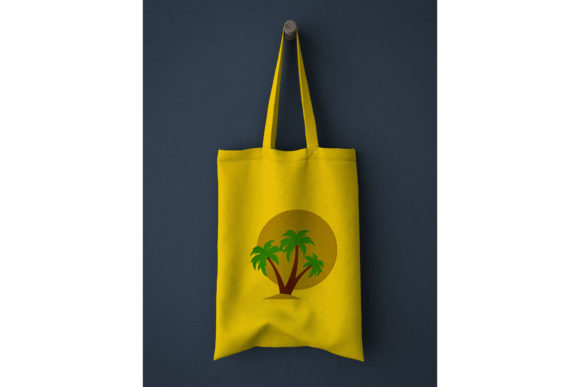
For a back design, I would scale up to the largest available size and center it between the shoulder blades. This creates a statement piece that still feels refined. For sleeve accents, a smaller version placed vertically on the outer arm adds a subtle detail that repeat customers will notice. If you are producing a matching set, consider using Sunset on a sweatshirt and a matching beanie or tote bag. That kind of cohesive branding builds recognition and encourages bundle sales.
Final Thoughts on Sunset for Commercial Embroidery
After spending time with the Sunset embroidery file, I feel confident recommending it for boutique sweatshirt projects. It is a design that respects the medium. The hand-digitized stitch angles show an understanding of how thread behaves on fabric, and the six size options give the embroiderer flexibility. It is not a design that will fade into the background, nor is it one that overwhelms the garment. It finds a sweet spot between decorative and wearable.
If you are an Etsy seller, a small shop owner, or a creative entrepreneur building a custom apparel line, Sunset is worth testing. Run a sample, adjust your thread colors to match your brand palette, and see how it feels on your chosen fabric. The design has the potential to become a signature piece in your collection. Just remember to check the stitch density, choose the right stabilizer, and always test before going into full production. That is the difference between a good design and a great finished product.
Whether you are embroidering for a Hobbies project or building a commercial Embroidery line, Sunset delivers the kind of quality that makes handmade products stand out. It is a design that I would use again, and that is the highest compliment I can give as a digitizer.