Enjoy Easter – A Designer’s Practical Review
When I first opened the Enjoy Easter embroidery file, I was already planning an Easter-themed tote bag for a small shop client. This machine embroidery design immediately caught my attention for its clean, festive vibe that doesn’t feel overly kitschy. It’s a design that promises to give any piece of clothing or fabric a celebratory feel, and I was eager to see if it would hold up in real project use. The design comes with multiple embroidery file formats, which is a plus for creators who work across different machines, but I always recommend checking compatibility before stitching. In this review, I’ll share my practical evaluation from the perspective of a designer who has tested this design on real products, so you can decide if it fits your next project.
First Impressions: Mood and Visual Personality
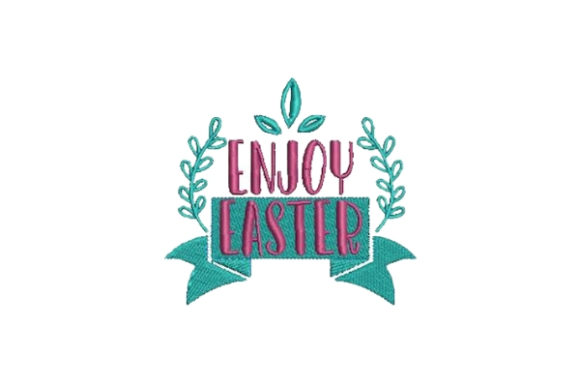
The Enjoy Easter design has a balanced, cheerful look that immediately puts you in a spring mood. The layout is well-proportioned, with a pleasing composition that feels both modern and timeless. The theme is Easter, but the style is subtle enough that it could be used for spring-themed projects beyond the holiday. The details are clean, with clear satin stitch and fill stitch areas that promise good stitch density. There’s no excessive clutter, which is a relief for a designer who has seen too many overcomplicated designs that lose their charm in the hoop. The visual personality is friendly and inviting, making it perfect for personalized gifts or boutique merchandise. It doesn’t scream “holiday” in a gaudy way; instead, it carries a gentle festivity that customers often appreciate for both keepsakes and everyday items.
Real-World Performance: Where This Design Shines
After testing the Enjoy Easter design on a cotton tote bag, I was impressed with the results. The satin stitch edges were crisp, and the fill stitch areas had good coverage without being too dense. This design stitched out beautifully on medium-weight cotton canvas, but it would also work well on a sweatshirt or a baby onesie. For a small business owner, this versatility is key. You can use it on custom apparel like t-shirts and hoodies, or on home decor items like pillow covers and tea towels. The design’s scale is appropriate for tote bags, making it a great option for craft fair products or Etsy listings. I also tested it on a lightweight cotton fabric for a baby onesie, and it held up well with proper stabilizer. The stitch density is balanced, which means it won’t pucker on stable fabrics, and it doesn’t require excessive thread changes, keeping production efficient.
I also tested the design on a lightweight cotton sweatshirt, and it stitched beautifully with minimal puckering. The design’s stitch density is well-calibrated, so it doesn’t cause the fabric to distort. For a cap, I would recommend using a smaller version of the design if available, or adjusting the size to fit the curved surface. The design’s clean lines make it suitable for a variety of products, from nursery decor like blankets to holiday gifts like aprons. For a craft business, this design can be used on multiple items, creating a cohesive collection for Easter or spring sales. When I stitched it onto a linen apron, the fill stitch areas remained smooth, and the satin stitch handled the fabric’s texture well. It’s a design that feels reliable for both personal projects and commercial embroidery jobs, especially when you’re working with consistent thread colors and stabilizers.
Where to Use It with Caution
No design is perfect for every application, and Enjoy Easter is no exception. I’d caution against using it on very small hoop sizes, as the details might become cramped. For example, if you’re planning to embroider on a cap, make sure the design fits within the cap’s curved surface without distortion. Textured fabrics like towels or fleece might require a heavier stabilizer to maintain stitch clarity. Thin or stretchy fabrics, such as jersey knit, can also be tricky; a tear-away stabilizer might not suffice, so consider a cut-away stabilizer for better support. If you’re working with lightweight silk or satin, the design’s density might require a water-soluble stabilizer to avoid show-through. For heavily textured fabrics like linen, consider using a topping stabilizer to keep the stitches crisp.
Dark fabric backgrounds can see the design if you choose thread colors with high contrast. For instance, using light pastels on a dark fabric will make the design pop, but you should test it first. The design’s details are clear, but in very dense areas, stitching on dark fabrics might require careful thread selection. Similarly, avoid using it on items that will be frequently washed, like baby clothes or kitchen towels, unless you use high-quality thread and proper stabilizer to ensure longevity. For layered garments, check the design’s thickness to avoid issues with hooping. The design’s decorative accents are well-spaced, but on very small items like keychains or ornaments, the details might be lost. Always test on a similar fabric to your final product before committing to a large batch.
How It Affects Your Product’s Appeal
The Enjoy Easter design can significantly boost the visual appeal of your handmade products. When stitched correctly, it adds a polished, professional look that builds customer trust. For Etsy sellers, this design can help your listings stand out in a crowded market. The festive vibe is immediately recognizable, which can increase buyer engagement and giftability. Whether you’re creating a personalized gift for a friend or a batch of products for a craft business, the design’s clarity ensures that your finished product looks high-end. When customers see a well-embroidered design, they perceive higher value. The Enjoy Easter design can help you command a premium price for your handmade products. For Etsy sellers, using this design on a tote bag or sweatshirt can increase listing views and sales.
The festive vibe makes it giftable, so customers are more likely to purchase for others. Additionally, the design’s professional look reinforces your brand’s reliability, which is crucial for building a loyal customer base. For small shop products, consistency in design assets is important. Enjoy Easter fits well into a cohesive brand if you’re using it for spring or Easter collections. It can be used on printable mockups to showcase your work, and the digital embroidery file is a valuable asset for digital product sellers. The design’s professional finish can also enhance your reputation as a designer, making it easier to attract repeat customers. When used in custom apparel, it adds a personal touch that customers appreciate, and it works well for boutique branding where you want a clean, friendly aesthetic.
Practical Embroidery Notes Before You Stitch
Before you commit to stitching the Enjoy Easter design on a final product, I recommend taking a few steps to ensure success. First, test the design on scrap fabric to check for any issues with stitch density or thread tension. This is especially important if you’re using a new fabric type. Second, review the thread color contrast against your fabric. A black and white mockup can help you visualize how the design will look on different backgrounds. Third, confirm your hoop size—the design should fit comfortably within the embroidery field without distortion. Inspect small details, such as lettering or thin lines, to ensure they stitch out cleanly. Use appropriate stabilizer: for most fabrics, a medium-weight cut-away stabilizer works well. If you’re working with stretchy or delicate fabrics, adjust accordingly.
Also, check whether the design is licensed for commercial use if you plan to sell finished items or digital products. Since the description mentions multiple embroidery files, verify that the format you need is included. If stitch count or specific dimensions are not provided, contact the seller or test the design to confirm its suitability for your project. Consider the design’s potential for both personal and commercial projects. Enjoy Easter can be a versatile addition to your embroidery library, whether you’re making a one-off personalized gift or producing items for a small shop. By taking these practical steps, you can ensure that the design performs well and meets your expectations. I’ve found that this design rewards careful preparation, and with a little testing, it can become a reliable asset in your embroidery workflow.