Not Your Average Bunny: A Designer Review for Seasonal Embroidery
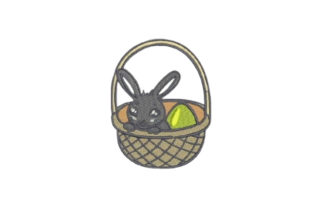
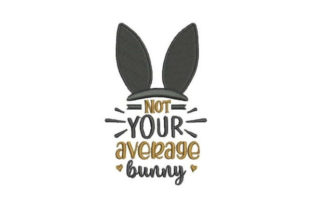
As an embroidery designer who has built seasonal collections for over a decade, I have stitched through countless Easter bunnies. Most are either too cutesy for adult buyers or too generic to stand out in a crowded Etsy search. When I first opened the Not Your Average Bunny machine embroidery design, I immediately recognized something different. This is not the standard pastel bunny with a single tulip. This design carries a mood that bridges playful and premium, making it a strong candidate for holiday embroidery projects that need to sell across multiple product categories.
First Impressions and Seasonal Mood
The emotional tone of Not Your Average Bunny strikes a thoughtful balance. It feels festive without being childish, which is exactly what I look for when planning seasonal embroidery for a small shop product lineup. The decorative style leans toward a charming, slightly vintage aesthetic that appeals to both young families and adults who appreciate handmade gifts with character. This design does not scream "Easter" in a way that limits it to one weekend. Instead, it carries a springtime warmth that can extend through the entire season.
For Etsy sellers and apparel decorators, this distinction matters. A design that feels too holiday-specific can sit unsold after April. Not Your Average Bunny has a more timeless quality. The detail level is moderate enough to stitch cleanly on sweatshirt embroidery and tote bag designs, yet it retains enough decorative interest to feel special on a pillow cover or kitchen towel embroidery. I would place this in the playful but polished category, which is a sweet spot for holiday embroidery that needs to appeal to gift buyers.
Real Performance in Holiday Selling Situations
When I evaluate a digital embroidery file for a seasonal collection, I think about how it will perform across the full sales cycle. Not Your Average Bunny works well in several critical scenarios.
Etsy Listings and Gift Bundles
This design photographs beautifully on light-colored fabrics, which is essential for creating printable mockup images that stop the scroll. I would pair it with coordinating spring colors and offer finished products as personalized gifts for children, grandchildren, or godchildren. The design also works well in gift bundles that combine a embroidered patch with a coordinating kitchen towel or small tote. For Etsy sellers, this opens up cross-selling opportunities without requiring multiple new embroidery files.
Craft Fair Displays and Limited Edition Apparel
At craft fairs, first impressions happen in seconds. Not Your Average Bunny has enough visual recognition to draw customers to a booth, but it is not so common that shoppers feel they have seen it before. I would use it for limited edition apparel drops, such as crewneck sweatshirts and toddler tees, and display them with matching tote bag designs. The design holds its own as a standalone piece, which simplifies merchandising for small shop owners who do not have time to build elaborate displays.
Home Decor and Family Matching Items
One of the strongest applications for this embroidery design is home decor. The size and proportion work well on pillow covers, table linens, and even ornament blanks if you are planning for gift-ready products that carry into spring. I also see potential for family matching items, where parents and children each receive a piece with the same Not Your Average Bunny motif. This is a proven strategy for seasonal embroidery sales, and this design supports it without feeling repetitive.
Where to Use This Design Carefully
No embroidery file is perfect for every surface, and Not Your Average Bunny has some considerations that experienced embroiderers will want to note before committing to large production runs.
- Small hoop sizes and tiny lettering: If the design includes fine details or small text elements, test them in a 4x4 hoop before offering custom stamped products. I recommend confirming the minimum hoop size for this machine embroidery design before listing finished items that require small-scale stitching.
- Thick towels and textured fabrics: Kitchen towel embroidery is a popular holiday category, but thick looped terry can swallow fine details. Use a medium-weight stabilizer and test a sample before stitching a batch. If the stitch density is high, the design may need adjustment for plush fabrics.
- Dark fabric and metallic thread: The design reads best on light to medium backgrounds. If you plan to sell on dark apparel, consider using a white or light underlay to preserve the design's clarity. Metallic thread can add a premium feel, but it may require slowing down your machine and using a larger needle.
- Stretchy garments and curved caps: For sweatshirt embroidery and stretchy knits, use a cutaway stabilizer and avoid excessive pull compensation. Caps are always tricky, and this design may need to be scaled down or repositioned to fit a curved surface properly.
- Items that need repeated washing: For baby items, kitchen linens, and apparel that will see frequent laundering, confirm that the design's stitch density is appropriate. Dense designs can pucker after repeated washing, especially on lightweight fabrics. A test stitch and wash cycle is worth the time.
Seasonal Appeal and Buyer Emotion
Seasonal embroidery succeeds when it connects with what the buyer is feeling. Not Your Average Bunny taps into a sense of nostalgia and warmth without being overly sentimental. That emotional tone is exactly what drives gift purchases during holiday shopping periods. Buyers are not just buying a design; they are buying the feeling of giving something handmade and thoughtful.
For handmade gift makers, this design offers strong giftability. It feels intentional but not overly fussy. A tote bag or pillow cover with this embroidery reads as a curated present, not a last-minute make. That perception builds customer trust and encourages repeat business, especially for Etsy sellers who rely on seasonal collections to carry them through slower months.
From a brand consistency standpoint, Not Your Average Bunny fits well into a collection that values charm and quality over trends. It does not rely on a single meme or viral moment, so it will feel fresh year after year. This is an important consideration for small shop owners who want to reuse a successful embroidery file across multiple seasons without rebranding.
Practical Embroidery Designer Notes
Before you add Not Your Average Bunny to your seasonal product drop, here are the steps I recommend based on my own testing process.
Test Thread Colors on Both Light and Dark Fabric
This design may have subtle color transitions that look different on white cotton versus heather gray or pastel pink. Stitch a sample on each fabric tone you plan to sell. Adjust thread colors to maintain contrast and readability. I often find that a slightly darker outline thread improves the design's presence on medium-weight fabrics.
Check Stitch Density and Confirm Hoop Size
The product description states that Not Your Average Bunny comes with multiple embroidery file formats, which is a good sign for compatibility. However, I recommend checking the stitch density yourself. If the design has dense fill areas, consider using a larger hoop size to avoid distortion. If the manufacturer does not list a recommended hoop size, test in a 5x7 hoop first and scale down only if needed.
Use Proper Stabilizer for Each Fabric Type
For sweatshirt embroidery and stretchy knits, use a cutaway stabilizer. For kitchen towel embroidery and woven fabrics, a tearaway may suffice. For pillow covers and home decor items, consider a medium-weight cutaway to prevent show-through. Adjusting stabilizer choice for each product type will improve your finished product quality and reduce returns.
Create Realistic Mockups for Listings
Printable mockup images are essential for converting seasonal shoppers. Use a clean, well-lit photo of an actual stitched sample rather than a digital render. Buyers can tell the difference, and a real photo builds trust. If you are selling on Etsy, include mockups that show the design on a sweatshirt, a tote bag, and a pillow cover to demonstrate versatility.
Review Small Details After Stitching
After your test stitch, examine the design under good lighting. Look for any skipped stitches, thread breaks, or areas where the detail is not crisp. If the design includes tiny elements, consider whether they will survive production stitching at scale. Sometimes a small adjustment in thread tension or needle size can make a significant difference.
Plan Matching Color Palettes
For seasonal embroidery, having a cohesive color palette across your product line makes your shop look professional. Choose two or three thread color combinations that work with Not Your Average Bunny and offer them consistently across all your finished products. This practice also helps with inventory management and listing photography.
Confirm Commercial Licensing Before Selling
If you are a commercial embroiderer or Etsy seller, verify that your license for this machine embroidery design allows you to sell finished products. Many digital embroidery file creators offer commercial use with their files, but terms vary. Confirm this before you invest time and materials into a production run. It is a small step that protects your business and your reputation.
Final Thoughts on Adding This Design to Your Collection
Not Your Average Bunny is a solid addition to any seasonal embroidery lineup. It offers enough character to stand out on a craft fair table or in an Etsy search, while remaining versatile enough to work across apparel, home decor, and gift items. The design's moderate detail level and broad emotional appeal make it suitable for both beginner-friendly projects and more advanced product development.
For small shop owners and handmade gift makers, this embroidery file can serve as a anchor piece for a spring collection. When paired with thoughtful stabilizer choices, careful thread selection, and realistic mockups, Not Your Average Bunny has the potential to become a repeat seller that customers seek out year after year. That is exactly the kind of performance I look for when reviewing a seasonal embroidery design for my own product line.