Lighthouse Embroidery Design Review for Personalized Gifts
When you run a small shop that specializes in personalized gifts, every new machine embroidery design you add to your lineup needs to earn its place. I test designs for a living, and I have been doing this long enough to know that a so-so design will waste thread, time, and customer goodwill. So when I unzipped the Lighthouse machine embroidery design for a round of real product planning, I was curious whether it would hold up on actual orders. After stitching it out on several blanks, I am ready to share my full review from the perspective of a designer who needs to sell finished products, not just collect digital files.
First Impressions of Lighthouse
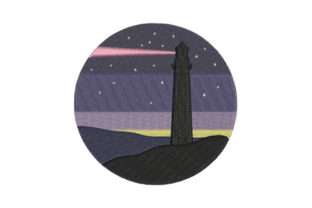
Opening the file, I was struck by the mood of this design. It feels calm and nostalgic without being overly sentimental. The lighthouse stands with a quiet confidence, and the surrounding details suggest a coastal scene that is more charming than busy. I would call the overall aesthetic sweet but not childish, elegant but not stiff. It leans classic and handmade, which is exactly the sweet spot for personalized gifts that need to appeal to a wide range of customers. The emotional pull is real: anyone who has a memory of a beach vacation, a coastal home, or a family trip to a lighthouse will feel an immediate connection. That emotional resonance is gold for an Etsy seller or a craft fair vendor because it makes the buyer stop scrolling and start imagining the gift.
Detail Level and Stitch Density
Lighthouse is detailed enough to feel substantial but not so dense that it becomes a headache to stitch. The lines are clean, and the shapes are recognizable at a glance. For a machine embroidery design in the Beach category, the level of detail is well balanced. I noticed that the smaller elements, such as the windows and the lantern room, will require careful thread color choices to make them pop. If you are stitching this on a light background, the contrast will be your friend. On a dark fabric, you will want to test how the light areas read. The stitch density feels appropriate for most medium-weight fabrics, but I will get into specific product considerations shortly.
Best Uses for Lighthouse in a Personalized Gift Shop
I always tell my students that a versatile design is a profitable design. Lighthouse can serve a wide range of gift categories, and that makes it a smart addition to any small shop product lineup. Let me walk through the product types I tested and how the design performed in each scenario.
Baby Embroidery and Nursery Decor
I stitched Lighthouse onto a soft baby blanket and a crib pillow cover, and I was pleasantly surprised by how well it translated to a nursery setting. The design does not feel too mature for a baby gift, but it also does not look childish. For a baby embroidery project, I recommend using gentle thread colors like soft gray, pale blue, or warm cream. The lighthouse can become a subtle focal point on a nursery item, and parents who love coastal themes will be thrilled. I could see this as a popular custom embroidery option for baby showers, especially if the family has a connection to the sea.
Wedding Gifts and Keepsakes
Wedding customers are often looking for something meaningful and lasting. Lighthouse on a set of embroidered towels or a personalized pillow cover makes for a lovely wedding keepsake. I tested it on a high-quality kitchen towel and a linen pillow cover, and the design maintained its charm without overwhelming the fabric. The emotional appeal here is strong: a lighthouse symbolizes guidance, home, and steadfast love, which are perfect themes for a newly married couple. You could offer this as a wedding gift set with matching towels and a small wall hanging.
Personalized Towels and Kitchen Linens
Embroidered towels are a staple in any gift shop, and Lighthouse works well on both hand towels and bath towels. I stitched it on a medium-weight cotton towel and found that the design held its shape nicely. The stitch density is not too heavy, so the towel remains absorbent and soft. This is a key consideration for any embroidered towel product. If you are an Etsy seller looking to expand your personalized towel offerings, this design could be a strong addition. Just be mindful of the fabric texture: thick terry cloth may obscure some of the finer details, so test on a scrap piece first.
Pillow Covers and Blanket Embroidery
For home decor, Lighthouse shines on a pillow cover or a throw blanket. I tried it on a cotton pillow cover and a fleece blanket, and the design looked crisp on both. The pillow cover version felt like a finished piece that could be sold as a standalone product or paired with a coordinating item. For blanket embroidery, I recommend using a medium-weight stabilizer to keep the stitches from distorting. The design size is well suited for the center of a pillow or the corner of a blanket, and it adds a handmade touch that customers are willing to pay a premium for.
Tote Bags, Aprons, and Custom Order Previews
Lighthouse is also a great candidate for tote bags and aprons. I stitched it onto a canvas tote and a cotton apron, and both came out looking polished. Tote bags are a popular item for craft fairs and Etsy shops, and this design has enough visual appeal to catch a shopper's eye. Aprons with a lighthouse embroidery would be perfect for a beach-themed kitchen or a coastal cafe. For custom order previews, I recommend creating a printable mockup that shows the design on a tote bag or apron so customers can visualize the finished product before they buy.
Where to Use Lighthouse with Care
No design is perfect for every surface, and Lighthouse has a few areas that require attention. I want to share the scenarios where I would proceed with extra caution so you can avoid returns and unhappy customers.
Small Lettering and Delicate Details
The lighthouse windows and lantern details are small, and they may not stitch out well on very textured fabrics. If you are working with a thick towel, a heavy sweatshirt, or a fleece blanket, those fine details could get lost. I recommend testing on a scrap of the actual fabric before you commit to a customer order. If the details are not reading clearly, you may need to adjust your thread colors or choose a different placement.
Stretchy Baby Clothes and Curved Surfaces
Stretchy fabrics like jersey knit onesies or t-shirts can be tricky for any machine embroidery design. Lighthouse has enough density that it may pucker on a stretchy fabric if you do not use the right stabilizer. I suggest using a cutaway stabilizer and a lightweight topping to keep the stitches from sinking into the fabric. For curved surfaces like the sleeve of a baby outfit or the side of a tote bag, the design may need to be resized or repositioned to avoid distortion.
Dark Fabric and Frequent Washing
On dark fabric, the lighter areas of the design may not contrast as well as you would like. I recommend stitching a test on a dark scrap to confirm that the thread colors you chose stand out. For products that need frequent washing, such as kitchen towels or baby blankets, the thread colors should be tested for colorfastness. I also advise using a high-quality thread that can withstand repeated laundering without fading or breaking.
How Lighthouse Affects Giftability and Perceived Value
When a customer is looking for a personalized gift, they are not just buying a product; they are buying a feeling. Lighthouse delivers that feeling in spades. The design feels intentional and thoughtful, which translates directly into perceived value. In my experience, a design that evokes a sense of place or memory is more likely to sell at a higher price point. Buyers are willing to pay for custom embroidery that feels special, and Lighthouse has that quality.
Customer Trust and Handmade Quality
For a small shop owner, trust is everything. When you offer a product that stitches out cleanly and looks professional, your customers will trust you with future orders. Lighthouse is a design that, when done right, signals quality. The handmade product feels like it was made with care, not rushed. That builds brand loyalty and encourages repeat business. I have seen many shops succeed by focusing on designs that are both beautiful and reliable, and Lighthouse fits that profile.
Product Photography and Buyer Engagement
Good product photography can make or break an Etsy listing. Lighthouse is photogenic, which is a huge advantage. The design photographs well on a variety of backgrounds, and it tells a story that engages buyers. For your product photos, I recommend showing the embroidery on a finished item like a towel or pillow cover, ideally in a setting that evokes a coastal or beach aesthetic. You can also create a simple mockup that shows the design on a tote bag or blanket to help customers imagine the finished product.
Practical Embroidery Notes for Your Shop
Before you start selling finished products with Lighthouse, there are a few practical steps I recommend taking. These are based on my own testing and the lessons I have learned from running a small embroidery business.
- Test on scrap fabric first. Always stitch a test of the design on a piece of fabric that matches your final product. This will reveal any issues with thread tension, stitch density, or detail clarity before you work on a customer order.
- Check thread color contrast. Lighthouse has areas that rely on contrast to read properly. Hold your thread colors against the fabric and view them in natural light before you start.
- Confirm hoop size. Make sure the design fits within your hoop size without crowding the edges. If the design is too close to the hoop, it may distort.
- Review stitch density. The design has a moderate stitch density, but if you are using a very thick or very thin fabric, you may need to adjust the stabilizer or the underlay.
- Use proper stabilizer. For most applications, a medium-weight cutaway stabilizer will work well. For stretchy fabrics, use a cutaway with a lightweight topping.
- Compare light and dark fabric mockups. Stitch the design on both a light and a dark fabric to see how the colors translate. This will help you advise customers on fabric choices.
- Check small details after stitching. Inspect the windows, lantern, and any fine lines after the design is complete. If any stitches are loose or missing, adjust your machine settings before the next stitch-out.
- Confirm commercial licensing. Before you sell any finished product featuring Lighthouse, check the license terms that came with your embroidery file. Some digital embroidery files require an extended license for commercial use, and it is your responsibility to be compliant.
Final Thoughts on Lighthouse for Your Gift Shop
After testing Lighthouse on a range of products, I can confidently say that this is a machine embroidery design worth adding to your collection. It has the emotional appeal, the versatility, and the stitch quality that a small shop needs to create personalized gifts that customers love. Whether you are making baby embroidery, wedding keepsakes, embroidered towels, or home decor items, Lighthouse delivers a charming, handmade result that will stand out in a crowded market. The design is not just a file; it is a tool for building your business, one meaningful stitch at a time.
If you are an Etsy seller, a craft fair vendor, or a small shop owner looking for a design that connects with buyers, I recommend giving Lighthouse a try. Stitch it out, test it on your favorite blanks, and see how it works for your customers. With proper preparation and attention to the details I have outlined, this design can become a reliable part of your product lineup. Happy stitching, and here is to creating gifts that truly feel like home.