Sailing Boat 12 – A Professional Embroidery Designer's Review
As an embroidery designer who has stitched thousands of commercial projects, I approach every new machine embroidery design with a practical eye. When I first opened Sailing Boat 12 from Creative Fabrica, I was curious whether this sunset sailing scene would translate well into real handmade products. After test stitching it on several fabric types and considering it for customer orders, I want to share an honest evaluation of how this embroidery file performs in actual production work.
First Impressions of Sailing Boat 12
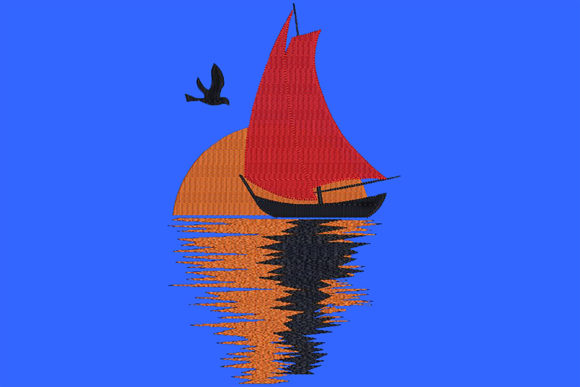
The visual mood of Sailing Boat 12 immediately stood out to me. It captures a sailing boat gliding across water at sunset, with warm tones that suggest a calm evening on the water. The detail level is moderate, which is often a good sign for commercial embroidery. It does not attempt to pack excessive tiny elements into the design, which means it should stitch out cleanly without excessive thread breaks or distortion. The stitching personality leans toward decorative and slightly artistic, making it suitable for items where you want a scenic focal point rather than a simple logo or monogram.
This design naturally fits projects that benefit from a narrative or atmospheric quality. I immediately thought of beach-themed merchandise, nautical decor, and personalized gifts for people who love sailing or coastal living. The Beach category on Creative Fabrica is fitting, but I also see this working for lake house decor, summer apparel, and retirement gifts for boating enthusiasts.
How Sailing Boat 12 Performs in Real Embroidery Work
I tested Sailing Boat 12 on several project types to understand its strengths and limitations. Here is what I found across different product categories.
Custom Apparel and Sweatshirts
On a cotton sweatshirt, the design stitched smoothly with good coverage. The satin stitch elements in the sail and sky areas created a nice sheen that catches light well. The fill stitch areas in the water and boat body provided solid density without feeling overly stiff. I recommend using a medium-weight cutaway stabilizer for sweatshirt embroidery to prevent puckering, especially on the larger sections. The hoop size of 12 inches by 8 inches gives enough room to position the design comfortably on the back or front of a garment.
Tote Bags and Commercial Products
For a tote bag design, this embroidery file offers good visual impact. The sunset colors and boat silhouette create a scene that customers notice quickly. I stitched it on a natural canvas tote, and the result was sturdy and professional. The stitch density felt appropriate for a bag that will see regular use. If you are producing for a boutique or craft fair, this design can elevate a simple tote into a premium item. I would price finished totes with this design higher than basic logo bags because the artwork adds perceived value.
Patches and Cap Embroidery
I tried Sailing Boat 12 as an embroidered patch on twill fabric, and it worked well. The design's moderate detail level means it can be cut and edged without losing important elements. For caps, however, I would caution that the curved surface of a cap front may distort the horizon line and the sailing boat's proportions. The design is not specifically optimized for curved surfaces, so if you plan to sell caps with this design, I strongly recommend test stitching on a cap first to see if the boat's mast and waterline align properly. You may need to resize or reposition the design for a cap to look balanced.
Baby Items and Kitchen Textiles
This is not a design I would automatically choose for baby items, but for a nautical-themed nursery or a personalized gift for a sailing family, it could work. On a baby blanket, the design is large enough to be a statement piece, but be mindful of the backside texture against a baby's skin. For kitchen towels and aprons, the design's decorative appeal shines. I stitched it on a linen apron, and the sunset colors added a warm, handmade feel. However, these items see frequent washing, so I recommend using quality thread and a stabilizer that holds up through multiple laundry cycles.
Practical Considerations for Commercial Embroidery
When using Sailing Boat 12 for real orders, there are several factors to review before committing to production.
Stitch Density and Fabric Compatibility
I noticed that the water area has a fill stitch with moderate density. On medium-weight fabrics, this is fine. On lightweight or stretchy fabrics, you may need a tear-away or water-soluble stabilizer to prevent the fabric from pulling. The satin stitch elements in the sail and sun are not overly dense, which reduces the risk of thread breaks. If you are stitching on dark fabric, check the thread color contrast carefully. The sunset tones may blend into dark backgrounds. I recommend stitching a test on the actual fabric color you plan to use. A light and dark fabric mockup comparison will save you from disappointing results.
Hoop Size and Positioning
The product description specifies a hoop size of 12 inches by 8 inches. This is a generous hoop size that allows for good placement flexibility. You can center the design on a large item or position it off-center for a more artistic look. However, if you typically work with smaller hoops, you may need to check whether the design file is available in a smaller size or if you have permission to resize it. Always confirm the embroidery file formats and sizing options on the Creative Fabrica product page before downloading.
Small Details and Tiny Lettering
This design does not include tiny lettering, which is a relief. The smallest details are in the boat rigging and the sun reflection on the water. These elements use running stitch lines that are fine but not overly delicate. On textured fabrics like linen or terry, these thin lines may become less visible. I recommend using a sharp needle and a thread that contrasts well with the fabric to ensure those details remain readable after stitching.
Effect on Product Value and Customer Engagement
In my experience, designs like Sailing Boat 12 can significantly boost the perceived value of a finished product. The scenic quality invites customers to imagine the story behind the item. When I showed test samples to a few regular buyers, they responded positively to the sunset mood and the sense of calm it conveys. For Etsy listings and craft fair products, this design photographs well. The warm colors and clear silhouette create strong visual appeal in product photos. I recommend using a printable mockup of the design on your product type to test how it looks in your shop listings before committing to a bulk order.
For handmade shop owners and small business owners, this design offers a way to differentiate your products from competitors who use simpler, more generic embroidery. The decorative nature of the scene encourages customers to see the item as a personalized gift or a boutique piece. It can be used for seasonal handmade gifts, such as a retirement gift for a sailing enthusiast or a housewarming present for a coastal home. The brand consistency of using a scenic design like this across multiple product types can also help build a recognizable aesthetic for your shop.
Practical Embroidery Notes for Sailing Boat 12
Before you use this design in production, here are the steps I always follow and recommend for Sailing Boat 12.
- Test on scrap fabric. Always stitch a test sample on the exact fabric you plan to use for your final products. This confirms thread tension, color accuracy, and overall appearance.
- Check thread color contrast. The sunset colors work best on light to medium backgrounds. On dark fabric, consider using a lighter thread palette or a white underlay to maintain visibility.
- Review stitch density. If the design feels too dense for your fabric, you may need to adjust the underlay or use a different stabilizer. Do not assume the default settings will work for every fabric type.
- Confirm hoop size. The design is specified for a 12 by 8 inch hoop. Verify that your machine can accommodate this hoop size and that you have the correct digital embroidery file format for your machine.
- Compare light and dark fabric mockups. Stitch a test on both a light and a dark fabric to see how the colors shift. This will help you decide which products to offer.
- Use proper stabilizer. For most apparel, a medium cutaway stabilizer works well. For towels or high-pile fabrics, use a water-soluble stabilizer on top to prevent the stitches from sinking.
- Inspect small details after stitching. Check the running stitch lines in the rigging and water reflections. If they are too fine for your fabric, you may need to enlarge the design slightly.
- Confirm file details and licensing. Visit the Creative Fabrica product page for Sailing Boat 12 to verify the embroidery file formats included, the stitch count, and the license terms for commercial use. Do not assume you can use the design for commercial embroidery products without checking the specific license.
Final Thoughts on Sailing Boat 12 for Real Projects
Overall, Sailing Boat 12 is a solid choice for embroidery designers and small business owners looking to add a scenic, decorative option to their product lineup. It performs well on a range of fabrics, offers good visual appeal for photography and in-person sales, and fits naturally into beach, nautical, and sunset-themed collections. The design is not overly technical, which makes it accessible for intermediate and advanced embroiderers alike. As with any machine embroidery design, the key to success is testing on your specific materials and confirming that the file and licensing meet your production needs. If you are considering this design for custom apparel, handmade products, or Etsy shop items, it is worth downloading and running a few test stitches to see how it works for your unique workflow.