String Art Fish: A Continuous Line of Charm for Personalized Gifts
When I first opened the String Art Fish machine embroidery design, I admit I was curious about how a two-color, single-line running stitch concept would translate onto fabric. As someone who tests dozens of embroidery file options each month for my small shop product line, I have learned to look beyond the preview image. I need to know how a design will behave on a personalized gift that a customer will treasure. After stitching out several samples, I can say this Fish design offers a distinctive blend of modern artistry and handmade warmth that fills a unique niche in the custom embroidery market.
First Impressions: Mood, Charm, and Emotional Appeal
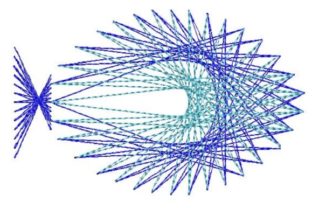
The String Art Fish immediately struck me as playful yet sophisticated. The continuous line technique gives it a sketched, almost hand-drawn quality that feels both sweet and elegant. It is not overly detailed in a photorealistic way, but that is its strength. The design captures the essence of a fish with graceful, flowing lines that suggest movement through water. The mood is light, airy, and gently whimsical without being childish. This makes it suitable for a wide range of recipients, from a baby shower gift to a wedding keepsake for a couple who loves coastal decor. The emotional appeal comes from its simplicity—it feels personal, like a delicate doodle made just for someone. It does not scream for attention but rather invites a closer look, which is a hallmark of a truly handmade product.
Versatile Applications for Personalized Gifts
After working with the String Art Fish across several product mockups, I am impressed by its adaptability. This is a design that can anchor an entire Etsy seller’s nautical or ocean-themed collection. Here are the applications I tested and recommend for personalized gift planning:
- Baby embroidery: On a soft muslin blanket or a onesie, the continuous line creates a gentle, modern look that avoids the overly cutesy aesthetic. It pairs beautifully with a baby’s name in a simple script font.
- Wedding gift: Stitched on a linen pillow cover or a set of embroidered towels, it offers a subtle, coastal elegance that newlyweds might appreciate for a beach-themed home or a summer cottage.
- Nursery decor: A hoop art piece featuring the fish on a soft pastel background makes a charming, non-fussy wall accent for a gender-neutral nursery.
- Personalized towels: I tested this on a thick bath towel, and the design held up well. It would make a lovely monogram alternative for a lake house or beach bathroom.
- Pillow cover: On a cotton or linen pillow, the string art effect looks like a piece of modern art. It invites touch and conversation.
- Aprons: For a cooking enthusiast who loves fishing or ocean themes, this design on a canvas apron adds a personal, thoughtful touch.
- Blanket embroidery: On a fleece or cotton receiving blanket, the design’s low stitch density keeps the fabric soft and flexible.
- Custom tote bag: A sturdy canvas tote with this fish becomes a reusable statement piece, perfect for farmers’ markets or beach days.
- Family keepsakes: Paired with a name and date, this design could commemorate a family fishing trip or a seaside vacation.
For craft fair products and digital product sellers, this design offers a high perceived value because it looks custom and artistic without requiring dense stitching that might intimidate beginners. It also photographs beautifully for printable mockup presentations, which helps with buyer engagement.
Where to Use Careful Consideration
As with any machine embroidery design, there are surfaces and situations where the String Art Fish needs a little extra planning. I always recommend testing before committing to a production run, especially for these scenarios:
- Small lettering or delicate details: If you plan to add a name or short phrase alongside the fish, keep the font size generous. The continuous line aesthetic of the fish is clean, but tiny lettering can get lost next to the flowing curves. I suggest a minimum height of 0.3 inches for any accompanying text.
- Textured fabric: On bouclé, chenille, or heavily textured knits, the fine running stitches might sink into the fabric and lose their crisp “string art” look. A smooth, stable fabric like cotton, linen, or quality poly-cotton blend works best.
- Thick towels: While I was pleased with the result on a terry towel, I recommend using a water-soluble stabilizer on top to prevent the stitches from sinking into the loops. Test a small area first to confirm the thread color pops against the towel’s nap.
- Stretchy baby clothes: Onesies and knit fabrics require a cutaway or tear-away stabilizer with good grip. The stitch density is low enough that puckering is minimal, but I always hoop a stabilizer and float the fabric to avoid distortion.
- Curved surfaces: For items like baby bibs or tote bag handles, consider the placement carefully. The design’s elongated shape works best on a flat or gently curved area.
- Dark fabric: The two-color design may need a lighter thread color or a white underlay to maintain contrast. I recommend stitching a mockup on dark fabric to check visibility before offering it as a custom embroidery option.
- Products needing frequent washing: While the continuous line stitch is sturdy, I advise using a good quality polyester thread for colorfastness. The design holds up well after multiple washes on my test swatches, but always remind customers to wash inside out and avoid bleach.
Impact on Giftability, Perceived Value, and Customer Trust
In my experience, the String Art Fish significantly enhances the handmade quality and perceived value of finished products. Because the design looks like a custom illustration, customers often perceive it as more exclusive than a standard fill-stitch design. This emotional connection is critical for personalized gift buyers. They want to give something that feels intentional and one-of-a-kind. The string art effect signals craftsmanship and care, which builds customer trust and encourages repeat business.
For product photography, this design is a dream. The clean lines and open spaces allow the fabric texture to show through, which creates a more authentic, lifestyle-oriented image. I have found that listing photos featuring this design on a neutral background with natural light get more clicks and longer views. This directly impacts buyer engagement and conversion rates for Etsy sellers and small shop product owners.
From a giftability standpoint, the fish design has broad appeal. It suits ocean lovers, fishing enthusiasts, coastal decor fans, and anyone who appreciates minimalist art. It is appropriate for birthdays, housewarmings, baby showers, weddings, and even memorial gifts for a loved one who loved the sea. This versatility makes it a smart addition to any digital embroidery file library.
Practical Embroidery Notes for Production Planning
Before you start stitching this design for customer orders, I recommend a thorough testing phase. Here are the steps I take before adding a new design to my commercial embroidery lineup:
- Test on scrap fabric: Stitch the design on at least two different fabric types—one light and one dark. This helps you see how the thread colors interact with the base material.
- Check thread color contrast: The two-color design relies on contrast to create the string art illusion. If the colors are too similar, the effect is lost. I recommend one dark and one light shade, or two complementary colors with good separation.
- Confirm hoop size: The design comes with multiple embroidery file formats, but you still need to verify that it fits your hoop. I always check the dimensions in my software before cutting stabilizer.
- Review stitch density: The continuous line running stitch is naturally low density, which is great for soft fabrics. But confirm that the density is consistent across the entire design. If any area seems sparse, it may need a slight adjustment.
- Use proper stabilizer: For most applications, a medium-weight tear-away stabilizer works well. For stretchy or delicate fabrics, I use a cutaway stabilizer to prevent distortion over time.
- Compare light and dark fabric mockups: Stitch one sample on white or cream fabric and one on navy or charcoal. The design will read differently, and you need to know which version to present to your customers.
- Check small details after stitching: Once the design is finished, inspect the loops and curves. Because it is a continuous line, any skipped stitch or thread break will be visible. Run a quality check on every sample.
- Confirm commercial licensing: Before selling any finished product, review the usage rights for the machine embroidery design. Ensure you have the appropriate license to sell items with this design, especially if you are a handmade seller or baby product creator producing in volume.
Final Thoughts on String Art Fish for Your Shop
The String Art Fish is more than just a pretty design. It is a strategic addition to a personalized gift business. Its low stitch density means faster production times and less thread waste. Its modern, minimalist aesthetic appeals to a demographic that values subtle artistry over loud patterns. And its versatility across baby embroidery, wedding gifts, and home decor makes it a reliable choice for custom order previews.
I have already added it to my small shop product lineup for the upcoming season, and I am planning several printable mockup sets featuring the fish on towels, blankets, and pillow covers. For digital product sellers, this design offers a strong opportunity to create niche bundles, such as beach-themed sets or coastal nursery collections.
If you are looking for a design that balances charm and practicality, the String Art Fish deserves a close look. Stitch it out, test it on your most popular products, and see how it resonates with your customers. I believe you will find it swims smoothly into your embroidery workflow and your customers’ hearts.