Koala Embroidery Design: Hands-On Review for Real Projects
As an embroidery designer, I spend a lot of time scrolling through digital catalogs, looking for that perfect balance of artistry and practicality. When I stumbled upon the Koala machine embroidery design in the Wild Animals Embroidery category on Creative Fabrica, I was immediately intrigued by its description. It promised a single-color, quick stitch-out, with a distinctive negative space approach to the eyes and nose. I decided to put it through its paces for a few upcoming client orders, and here is my honest, hands-on review.
Whether you are an Etsy seller, a small business owner creating custom apparel, or a crafter looking for a unique personalized gift idea, understanding how a design performs in the real world is crucial. Let's look at what makes the Koala design a potential asset for your next project.
Why the Koala Design Caught My Eye
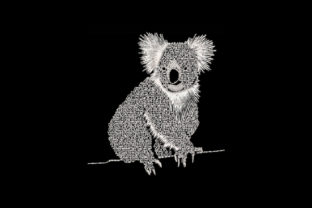
My first thought was that this isn't your typical dense, fill-stitch animal design. The Koala has a modern, almost minimalist illustrative feel. The decision to leave the eye and nose areas unstitched is a bold one. It relies entirely on the negative space of the fabric to define those features. This means the choice of fabric color is not just a background detail—it is an active part of the design itself.
Because of this, the design has a softer, more artistic mood. It's not cartoonish; it's decorative. The single-color aspect makes it incredibly versatile for branding and quick production runs. The design relies on precise running stitches and satin stitches to create the silhouette, with the face entirely defined by the fabric's negative space. I immediately envisioned it on a line of boutique children's apparel or as a signature design on tote bags for a gift shop. The stitching personality is clean and intentional, relying on a good understanding of stitch density to create a recognizable silhouette.
Putting the Koala Design to Work: Best Project Ideas
After a few test stitch-outs, I started matching the Koala design to specific products. Its charm is undeniable, but it thrives in certain applications more than others.
- Custom Apparel: This is a standout on sweatshirts and t-shirts. Stitched in a bright white or metallic gold thread on a deep navy or charcoal fabric, it creates a high-end, boutique look. It works beautifully on baby onesies and toddler wear as a personalized gift.
- Tote Bags and Accessories: The single-color, quick stitch-out makes it ideal for tote bags, aprons, and even embroidered patches. It won't bog down lighter-weight fabrics and adds a sophisticated touch to handmade products.
- Home Decor: I tested it on a pillow cover and a kitchen towel. The design fits a modern aesthetic perfectly. It would also make a stunning addition to a nursery, perhaps on a quilt or a framed hoop.
- Commercial Embroidery: For those running a commercial embroidery business, efficiency is key. The Koala design is a dream for production runs. Minimal thread changes, low stitch density, and fast hooping mean you can produce multiple units in a short time, perfect for craft fair products or boutique merchandise.
Stitch-Out Performance: What Worked and What Didn't
Let's get into the technical nitty-gritty. The design's performance hinges on one critical factor: fabric color. The description explicitly states it is best stitched on dark fabric because the eyes and nose are unstitched. I tested this on black, navy, and dark heather grey, and the results were fantastic. The silhouette pops, and the negative space created a clear, readable face.
However, I tested it on a light pink and a white fabric. The design completely lost its face. The unstitched areas blended into the background, making the koala look like a shapeless blob. Do not stitch this on light or medium-toned fabrics unless you plan to add a separate applique base or manually digitize the missing details.
Regarding stabilizer: For stretchy fabric like jersey or sweatshirt fleece, I highly recommend a cut-away stabilizer to maintain the integrity of the outlines. For woven fabrics like kitchen towels or quilting cotton for a tote bag design, a tear-away stabilizer worked perfectly. The low stitch count means there is minimal risk of puckering or distortion, even on lighter-weight fabrics, as long as they are dark.
I used a medium hoop size for my tests. The design is well-proportioned for standard frames. Because it's a single-color design, it runs smoothly without thread breaks or tangles, which is a huge plus for those late-night production sessions.
Design Details: What to Watch Before You Hoop
No design is perfect for every scenario, and the Koala has a few quirks that you need to plan for. The most obvious is the reliance on the background fabric for the face. This means the fabric needs to be a solid, high-contrast dark color. A fabric with a busy pattern or a very textured surface (like a heavy slub knit) might interfere with the readability of the face.
If you are thinking about scaling, do so with caution. The current proportions are well-balanced. If you scale it down too small for a cap or a collar, the unstitched eye and nose areas might become too small to read clearly. Conversely, if you scale it up for a large back design, the negative space might feel too vast. I recommend testing scale changes on a scrap piece of fabric before committing to a final product.
Another consideration is the thread color. While it's a single-color design, the choice of that color is paramount. I tested it with white, bright yellow, and a soft silver. White was the most classic and readable. Silver gave it a subtle, elegant sheen. The design is a great candidate for metallic or neon threads on dark fabric to create a striking contrast in your custom apparel.
From File to Finished Product: How Koala Adds Value
In the world of handmade products, the design is the soul of the item. The Koala design adds a layer of modern, artistic value. It doesn't look like a generic clip-art conversion; it looks like a thoughtful illustration. This translates directly to buyer trust and visual appeal.
For product photography, this design is a dream. The high contrast and clean lines photograph beautifully, making it easier to create engaging listings for your Etsy shop or printable mockups. It gives off a boutique, curated vibe that justifies a higher price point.
It also excels in brand consistency. If you are building a nature-themed brand or a line of Australian-inspired goods, this design is a perfect anchor. Its giftability is high—it's an unisex, universally appealing animal that works for children and adults. A onesie, a tote bag, or a framed hoop makes for a quick, thoughtful personalized gift.
My Koala Design Checklist: Steps Before You Sew
Before you download the digital embroidery file from Creative Fabrica and start stitching for clients, here is a quick checklist based on my experience:
- Test on identical fabric: Always do a test stitch-out on the exact fabric you plan to use for the final product. Pay close attention to how the unstitched eye and nose areas read.
- Check the file details: Visit the Creative Fabrica embroidery product page to confirm the hoop size, stitch count, and available embroidery file formats. Ensure your machine is compatible.
- Review the license: If you are making items for sale, double-check the licensing terms on the Creative Fabrica page. Most standard licenses allow for commercial use, but it's your responsibility to verify.
- Choose your thread wisely: Since it's a single-color design, the thread color is everything. Test a few options to see which provides the best contrast and mood for your finished product.
- Inspect the unstitched areas: Make sure the fabric is clean, free of lint, and a solid dark color so the face reads clearly.
The Koala machine embroidery design from Creative Fabrica is a refreshing take on Wild Animals Embroidery. It is not a design for every project, but for the right project, it is absolutely perfect. Its simplicity is its strength, offering a fast, elegant, and modern stitching experience.
If you are an apparel decorator looking for a quick production item, or a creative entrepreneur wanting to add a distinctive, boutique-style piece to your product line, the Koala is well worth the download. It respects your time, performs beautifully on dark fabrics, and delivers a high-end look that customers notice. Just remember to respect its limitations—specifically the need for a dark background—and you will have a fantastic new design asset in your digital toolbox.